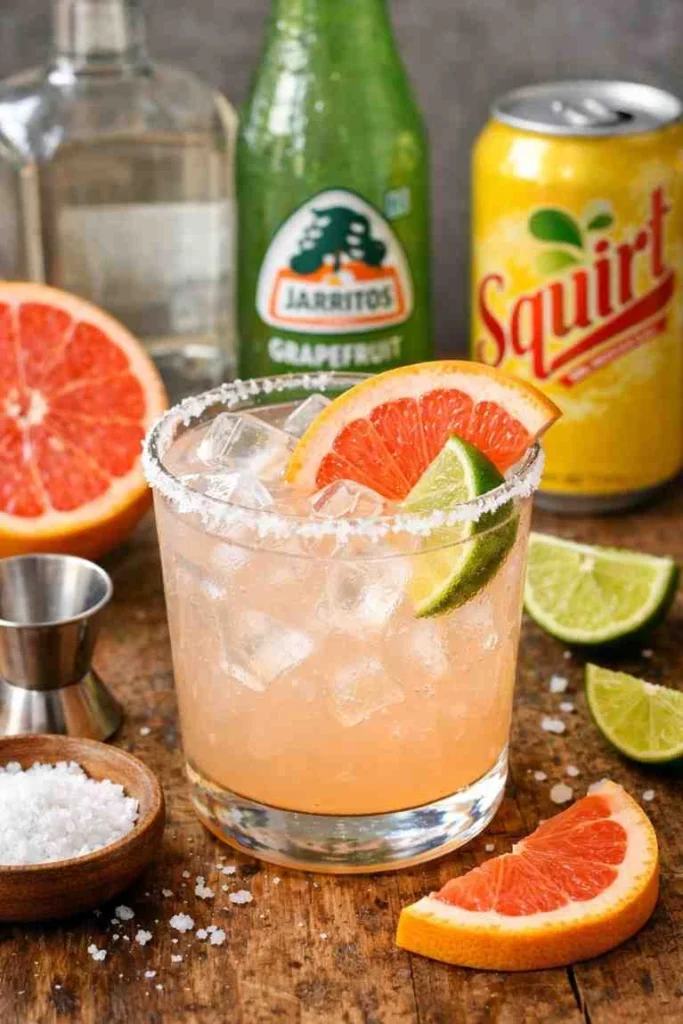
The Paloma is a refreshing, citrus-forward Mexican cocktail blending earthy tequila, tart grapefruit, fresh lime juice, and a hint of salt. Celebrated as Mexico’s most popular mixed drink, its balanced sweet-and-sour flavor profile makes it an incredibly crushable, easy-to-make beverage perfect for warm afternoons or festive gatherings.
How do you make a quick Paloma?
For a lightning-fast traditional Paloma, follow these five simple steps:
- Rub a fresh lime wedge along the rim of a tall glass and dip it into a small plate of coarse sea salt.
- Fill the glass to the top with ice cubes.
- Pour in 2 ounces of 100% blue agave blanco tequila and 1/2 ounce of freshly squeezed lime juice.
- Top off the glass with 4 ounces of chilled grapefruit soda (such as Squirt or Jarritos).
- Stir gently to combine and garnish with a fresh grapefruit wedge.
Recipe Overview
| Prep Time | Servings | Estimated Calories | Glassware |
| 3 minutes | 1 drink | ~168 kcal | Highball or Collins |
While tourists heavily favor the Margarita, locals across Mexico often reach for a Paloma. The beauty of this grapefruit cooler lies in its sheer simplicity. You do not need a cocktail shaker, a fancy strainer, or specialized mixology knowledge. You simply build the drink directly in the glass, making it highly accessible for home bartenders of all skill levels.
Who Invented the Paloma Cocktail in 1950s Jalisco?
The origin of the Paloma, which translates to “the dove” in Spanish remains a subject of debate among cocktail historians. For decades, the invention was widely credited to Don Javier Delgado Corona, the legendary former owner and bartender of La Capilla in Tequila, Jalisco. Don Javier was famous for creating the Batanga (a mix of tequila, lime, and cola stirred with a large knife), leading many to assume he also birthed the Paloma.
However, before his passing, Don Javier repeatedly denied creating the Paloma. The true timeline likely aligns with the mid-20th century. Squirt, a popular grapefruit soda created in Arizona in 1938, was heavily exported to Mexico by the 1950s. Local drinkers naturally began mixing this highly carbonated, sweet-and-tart soda with the region’s native agave spirit.
Some historians theorize the drink was named after a popular 1860s Mexican folk song titled “La Paloma.” Others believe the name simply references the hazy, whitish hue of the cocktail when mixed with natural grapefruit soda. Regardless of its exact origin, the Paloma has firmly secured its position as the undisputed national drink of Mexico.
What Are the Essential Ingredients for a Traditional Paloma?
A phenomenal cocktail requires high-quality components. Because this recipe features so few ingredients, each one significantly impacts the final flavor.
- Tequila: Always choose a bottle labeled “100% Blue Agave.” Avoid “mixto” tequilas, which are blended with cane sugar or high-fructose corn syrup and are notorious for causing rough hangovers.
- Fresh Lime Juice: Bottled lime juice contains preservatives that flatten the bright, zesty notes required to balance the tequila. Squeeze your limes right before mixing.
- Grapefruit Component: You have two paths here, either a high-quality grapefruit soda or a blend of fresh pink grapefruit juice and sparkling water.
- Salt: A salt rim acts as a flavor enhancer. Salt suppresses bitterness (from the grapefruit and the tequila) and elevates the perception of sweetness and sourness.
Blanco vs. Reposado Tequila
| Tequila Type | Aging Process | Flavor Profile | Best For |
| Blanco (Silver) | Unaged (or aged under 2 months) | Crisp, bright, grassy, and highly agave-forward | A classic, highly refreshing, and zippy Paloma |
| Reposado | Aged 2 to 12 months in oak barrels | Smooth, featuring gentle notes of vanilla, caramel, and warm oak | A softer, more complex Paloma ideal for evening sipping |
Avoid using Añejo tequilas for this specific drink. The heavy oak flavors clash with the bright citrus and overwhelm the delicate balance of the cocktail.
Should You Use Grapefruit Soda or Fresh Juice?
The classic Mexican cantina recipe relies entirely on bottled grapefruit soda. Brands like Jarritos and Squirt provide a sharp carbonated bite and a heavy dose of cane sugar, which makes for a brilliant, effortless drink.
Modern craft cocktail bars often prefer building the drink from scratch using fresh produce. Swapping soda for fresh grapefruit juice provides complete control over the sweetness and creates a vibrant, naturally vegan, and dairy-free cocktail with a cleaner finish.
If you prefer the fresh juice route, use this formula to replace 4 ounces of commercial soda:
- 2 ounces fresh pink or ruby red grapefruit juice
- 2 ounces unflavored sparkling water (or club soda)
- 1/2 ounce agave nectar or simple syrup
The fresh juice method requires brief shaking to integrate the syrup and juices, whereas the soda method is simply poured over ice.
How Can You Mix the Perfect Paloma in Under 5 Minutes?
This fresh-juice variation offers a brighter, less syrupy tasting experience than the traditional soda pour.
Ingredients:
- 2 oz Blanco or Reposado tequila
- 2 oz fresh grapefruit juice
- 1/2 oz fresh lime juice
- 1/2 oz agave nectar
- 2 oz cold sparkling water
- Coarse kosher or sea salt (for the rim)
- Grapefruit wheel (for garnish)
Step 1: Prep the Glass
Run a lime wedge around the outer edge of a highball glass. Roll the moistened edge through a small plate of coarse salt. Fill the glass entirely with fresh ice cubes.
Step 2: Combine the Base
In a cocktail shaker, combine the tequila, fresh grapefruit juice, fresh lime juice, and agave nectar.
Step 3: Chill and Dilute
Fill the shaker with ice and shake vigorously for 10 to 15 seconds. The shaker should feel frosty to the touch.
Step 4: Strain and Top
Strain the liquid directly into your salt-rimmed glass. Top with the cold sparkling water.
Step 5: Garnish
Give the drink one gentle pull with a bar spoon to mix the carbonation. Garnish with a freshly sliced grapefruit wheel.
What Are the Most Popular Paloma Variations and Twists?
Once you master the base recipe, the Paloma serves as a brilliant blank canvas for experimentation.
- The Mezcal Paloma: Swap the tequila entirely for an espadín mezcal. The smoky, roasted agave notes pair beautifully with the bitter grapefruit. You may need to increase your agave nectar by a quarter ounce to balance the heavy smoke.
- The Spicy Paloma: Muddle two to three thin slices of fresh jalapeño or serrano pepper in the bottom of your shaker before adding the liquid ingredients. Alternatively, swap the standard salt rim for Tajín (a Mexican chili-lime seasoning blend).
- The Herbal Paloma: Replace standard simple syrup with a homemade rosemary or thyme-infused syrup. The savory herbs complement the botanical qualities of the tequila.
- The Zero-Proof Paloma: Remove the tequila and double the fresh grapefruit juice. Add a dash of grapefruit bitters to replicate the sharp bite of alcohol.
What Are the Expert Tips for Paloma Success and Storage?
Many recipe guides skip over the practicalities of making drinks for a crowd or saving ingredients for later. Use these tested kitchen insights to elevate your cocktail game.
How to Batch Palomas for a Party
Mixing individual drinks during a gathering takes you away from your guests. You can easily scale this recipe into a pitcher. For an 8-serving batch, combine 2 cups of tequila, 2 cups of fresh grapefruit juice, 1/2 cup of lime juice, and 1/2 cup of agave nectar in a large pitcher. Store this mixture in the refrigerator. When guests arrive, pour the chilled mixture over glasses of ice and top each glass with a heavy splash of sparkling water. Never add the sparkling water to the pitcher ahead of time, or it will go flat.
Storage and Prep-Ahead Guidance
Freshly squeezed grapefruit and lime juice will maintain optimal flavor in the refrigerator for up to 48 hours. After two days, oxidation alters the citrus compounds, resulting in a dull, flat taste. You can mix the tequila, juices, and syrup up to 24 hours in advance.
Troubleshooting Your Cocktail
- Too bitter? Add an extra pinch of salt directly into the drink, or increase the agave nectar by a bar spoon.
- Too strong? Let the drink sit for three minutes so the ice can melt and properly dilute the alcohol, or top it off with an extra splash of sparkling water.
- Too sweet? Squeeze an extra wedge of lime over the top to boost the acidity.
How Should You Serve and Pair a Paloma?
A Paloma visually shines when served in a tall Highball or Collins glass. The height of the glass preserves the carbonation of the sparkling water longer than a wide, shallow glass. Always use the largest, clearest ice cubes you have available; large ice melts slower, keeping the drink freezing cold without prematurely watering it down.
When it comes to food, the Paloma’s high acidity cuts through rich, fatty, and spicy dishes flawlessly. Serve this cocktail alongside fish tacos topped with avocado crema, a bright shrimp ceviche, or a rich plate of slow-cooked pork carnitas. The grapefruit resets your palate between bites, preparing you for the next wave of spicy flavor.
Why Is the Paloma the Ultimate Alternative to the Margarita?
While the Margarita commands global fame, it requires a careful balancing act of orange liqueurs, fresh juices, and sweet syrups. The Paloma provides an equally rewarding, tequila-based refreshment with a fraction of the effort.
By utilizing grapefruit, a fruit that naturally brings both sweetness and a sharp, pleasant bitterness—the cocktail achieves complexity without needing a sprawling list of modifiers. Whether you opt for the lightning-fast soda pour or the freshly squeezed craft variation, the Paloma delivers a crisp, thirst-quenching experience that perfectly captures the lively spirit of Mexican cocktail culture.
Frequently Asked Questions
How much alcohol is actually in a standard Paloma?
Using a standard recipe with 2 ounces of 40% ABV (80 proof) tequila, a single Paloma contains 0.8 ounces of pure alcohol. This translates to roughly 1.3 standard U.S. drinks, making it a moderately strong cocktail similar to a classic Margarita.
Can you batch Paloma cocktails for a large party?
Yes. To batch for a crowd, pre-mix your tequila, fresh grapefruit juice, lime juice, and sweetener in a pitcher and keep it chilled. Wait to add the sparkling water or grapefruit soda until you are pouring individual glasses to ensure the carbonation remains lively and crisp.
What is the calorie difference between using soda versus fresh juice?
A Paloma made with 4 ounces of commercial grapefruit soda contains approximately 15 to 18 grams of added sugar, bringing the total calories to roughly 190. Using fresh grapefruit juice and unflavored sparkling water drops the sugar content significantly, bringing the drink closer to 150 calories depending on how much agave nectar you add.
How long does fresh grapefruit juice last in the fridge for cocktails?
Freshly squeezed grapefruit juice is best used within 24 to 48 hours. During this window, the juice actually undergoes enzymatic changes that can make it taste slightly smoother. After 48 hours, oxidation causes the juice to lose its vibrant flavor and take on stale, bitter notes.
Is the Paloma naturally gluten-free and vegan?
Yes. Assuming you use 100% blue agave tequila, fresh citrus, sparkling water, and agave nectar, the Paloma contains absolutely no gluten or animal byproducts. Commercial grapefruit sodas are also generally vegan and gluten-free, making this a highly dietary-friendly cocktail.

The Perfect Paloma Recipe (Mexico’s #1 Cocktail)
Ingredients
Instructions
-
Prep the Glass
Run a lime wedge around the outer edge of a highball glass. Roll the moistened edge through a small plate of coarse salt. Fill the glass entirely with fresh ice cubes. -
Combine the Base
In a cocktail shaker, combine the tequila, fresh grapefruit juice, fresh lime juice, and agave nectar. -
Chill and Dilute
Fill the shaker with ice and shake vigorously for 10 to 15 seconds. The shaker should feel frosty to the touch. -
Strain and Top
Strain the liquid directly into your salt-rimmed glass. Top with the cold sparkling water. -
Garnish
Give the drink one gentle pull with a bar spoon to mix the carbonation. Garnish with a freshly sliced grapefruit wheel.