Why Your Sangria Tastes Off (And How to Fix It Instantly)
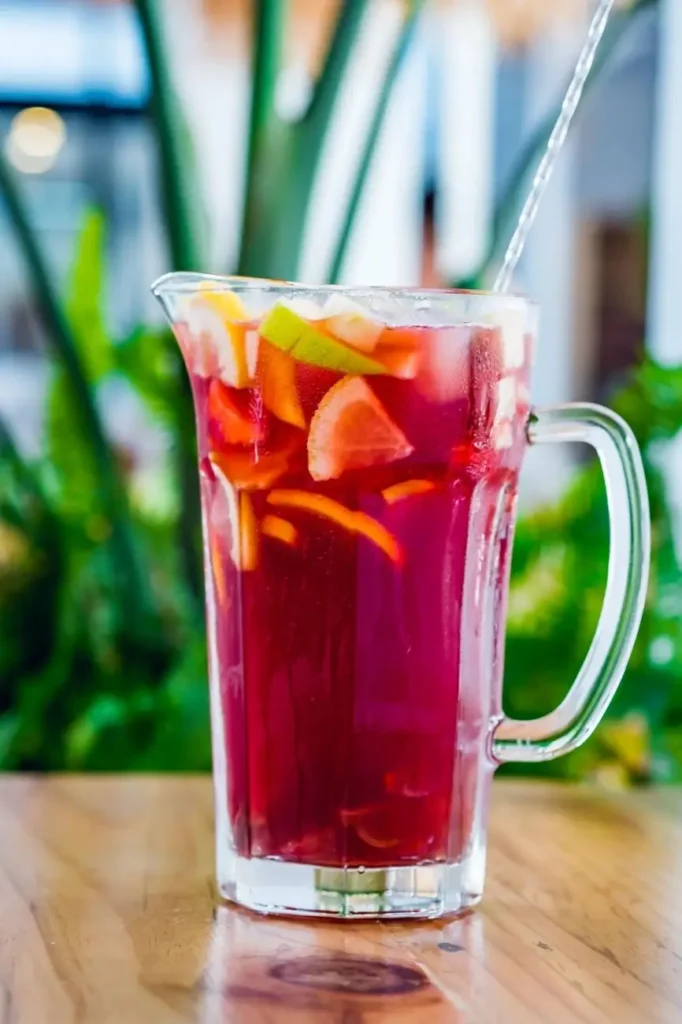
Traditional red sangria is a vibrant, fruity Spanish punch combining dry red wine, brandy, fresh citrus, and sweetener. Its flavor profile balances the deep, dark notes of wine with bright, acidic fruit and subtle caramel sweetness. It remains globally popular for its refreshing taste and easy, crowd-pleasing batch preparation.
How to make the perfect sangria
Mix one standard bottle of dry Spanish red wine (such as Garnacha) with 1/2 cup of brandy, 1/2 cup of orange liqueur, 1/2 cup of fresh orange juice, and 1/4 cup of simple syrup. Add chopped apples and oranges. Chill the mixture in the refrigerator for at least 4 hours to extract the fruit flavors, then serve over ice.
Creating a memorable cocktail requires more than just pouring ingredients into a pitcher. To truly master this iconic beverage, you need to understand how the flavors interact on a chemical level. Many home cooks struggle with drinks that taste disjointed, where the alcohol burns and the fruit feels like a disconnected afterthought.
By applying a few basic principles of wine chemistry and flavor extraction, you can transform a basic punch into a cohesive, professional-grade cocktail. We have tested countless variations, analyzing the specific grape varietals and fruit preparation methods that yield the best results.
This guide provides an authoritative, scientifically-backed approach to making the ultimate red sangria. You will learn exactly how to choose your base ingredients, why certain chilling methods work better than others, and how to customize the recipe to suit any dietary preference or flavor profile.
Introduction to Sangria
What is the Origin and History of Sangria?
The story of this beloved beverage begins more than 2,000 years ago with the Romans. As they conquered the Iberian Peninsula, they planted vineyards and established a robust wine culture. Because local drinking water was frequently unsafe, Romans routinely fortified it with wine, herbs, and spices to kill bacteria.
The name itself is derived from the Spanish word "sangre," meaning blood, a direct reference to the dark, vibrant red color of the original wine base. While versions of spiced wine evolved throughout the Middle Ages in Europe, the chilled, fruit-forward punch we recognize today made its grand debut to the United States market at the 1964 World’s Fair in New York City. Since then, it has become a staple of global cocktail culture.
What Makes a Great Sangria?
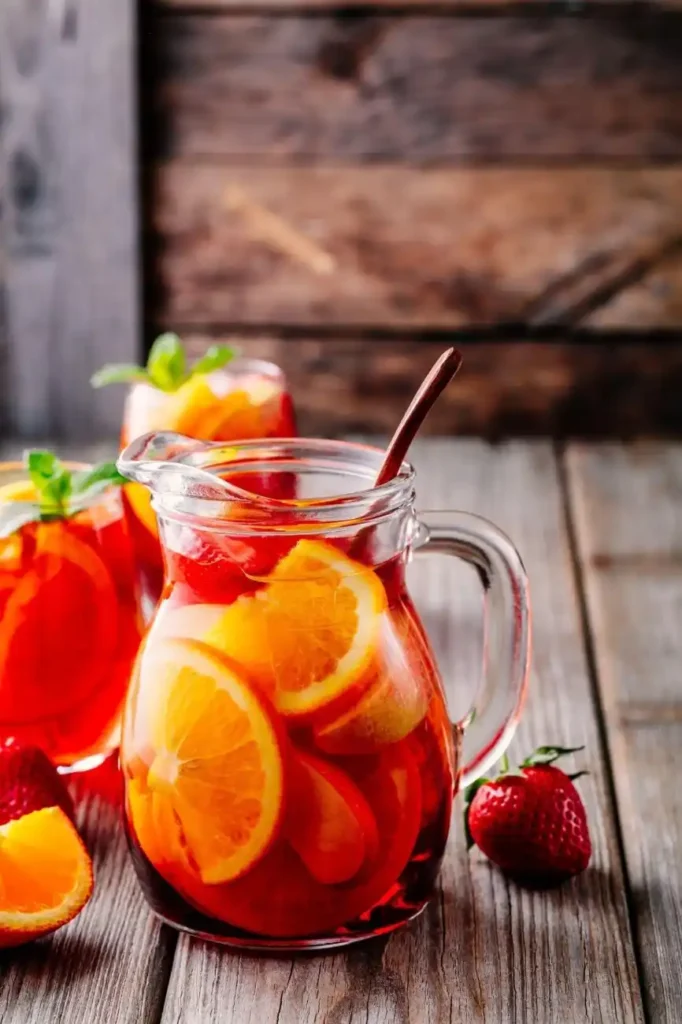
An exceptional batch relies on a delicate balance of acidity, sweetness, and tannins. Rather than simply mixing liquids, a skilled preparer uses the scientific process of maceration. This controlled extraction pulls soluble compounds—like flavor molecules, pigments, and aromatic volatiles—out of the solid fruit and into the alcohol. A great sangria takes time to allow this osmotic exchange, resulting in a smooth, unified flavor profile rather than a harsh bite of raw liquor.
Key Components of a Delicious Sangria
How Do You Choose Your Wine?
Selecting the right base is the most critical decision you will make. You need a wine that complements the fruit and spirits without overpowering them.
- Red Wine: Look for medium-bodied, fruit-forward options with low tannins. High-tannin wines, like Cabernet Sauvignon, clash heavily with the added citrus and sugar, creating a bitter, astringent aftertaste. Spanish Rioja, Garnacha, and Pinot Noir are phenomenal choices because their natural acidity and low tannin structure blend seamlessly with the sweet ingredients.
- White Wine: If you prefer a lighter profile, choose crisp, aromatic whites. A dry Pinot Grigio, Sauvignon Blanc, or Albariño provides a bright canvas for peaches, green apples, and white grapes.
- Rosé or Sparkling Wine: For a highly refreshing summer variation, a dry Spanish Rosado or a bottle of Cava (Spanish sparkling wine) adds a beautiful effervescence.
What is the Fruit Factor?
The fruit you select serves two purposes: infusing the liquid with natural oils and providing a delicious, booze-soaked snack at the bottom of the glass.
- Essential Fruits: Oranges, lemons, and apples provide the foundational flavor. The citrus peels contain potent essential oils that cut through the richness of the wine.
- Popular Additions: Limes, peaches, strawberries, and blackberries add complex visual appeal and subtle sweetness.
- Preparation technique: Always use fresh, crisp fruit. Chop apples into small, bite-sized cubes to maximize their surface area. This exposes more of the fruit's cellular structure to the alcohol, speeding up the osmosis process and ensuring the fruit easily fits into the drinking glasses.
Which Spirits and Liqueurs Work Best?
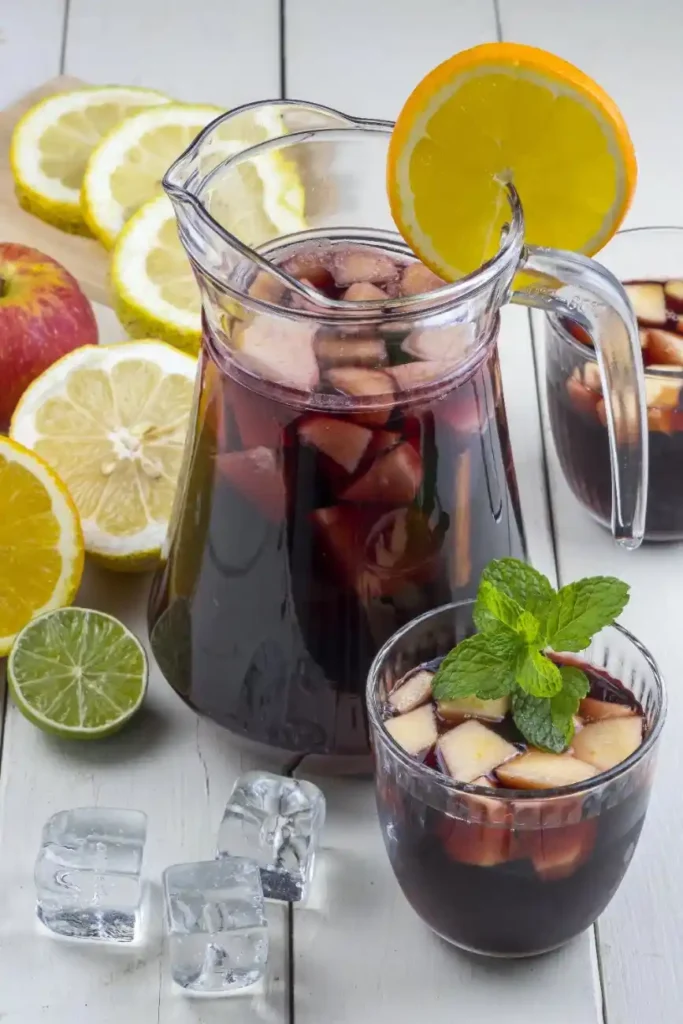
Wine alone lacks the structural backbone to support heavy fruit juices. Fortifying the mixture with a secondary spirit adds depth and stability.
- Brandy vs. Sherry: Spanish brandy is the traditional choice, lending a subtle, warming caramel note. Alternatively, a dry Oloroso sherry provides a nutty, oxidized complexity that elevates the drink significantly.
- Orange Liqueur: Triple sec, Cointreau, or Grand Marnier amplifies the citrus oils from the fresh fruit.
- Other Spirits: White rum or vodka can be used in a pinch, but they tend to add raw alcoholic heat without contributing meaningful flavor characteristics.
How Should You Sweeten the Drink?
Never rely on granulated sugar straight into cold liquid, as it will simply sink to the bottom of the pitcher and refuse to dissolve.
- Simple Syrup: A 1:1 ratio of water and sugar, gently heated until clear, is mandatory. Using Demerara or raw cane sugar adds a rich, molasses-like depth.
- Fresh Juices: Freshly squeezed orange and lemon juice provide natural sweetness and necessary acidity.
- Sodas and Toppers: Some recipes incorporate a splash of pineapple juice, sparkling limeade, or blood orange soda right before serving to add fizz and dilute the alcohol slightly.
Crafting Your Signature Sangria: A Step-by-Step Guide
To ensure consistent, high-quality results, follow these precise measurements and structured steps.
Recipe Overview
| Characteristic | Detail |
| Preparation Time | 15 minutes |
| Chilling Time | 4 to 24 hours |
| Total Time | 4 hours 15 minutes |
| Servings | 6 to 8 glasses |
| Estimated Calories | 220 per serving |
Ingredients List
- 1 bottle (750ml) dry Spanish red wine (Garnacha or Rioja)
- 1/2 cup Spanish brandy (or Cognac)
- 1/2 cup orange liqueur (Cointreau or Triple Sec)
- 1/2 cup fresh orange juice (strained of heavy pulp)
- 1/4 cup rich simple syrup (adjust to taste)
- 1 medium Granny Smith apple (cored and chopped into small cubes)
- 1 medium orange (sliced into thin wheels or wedges)
- 1/2 medium lemon (sliced into thin wheels)
- Optional: 1 cup club soda or sparkling water (for serving)
1. Preparation is Key
Begin by washing all of your fruit thoroughly to remove any agricultural wax, as the citrus rinds will be soaking directly in your beverage. Chop the apple into small, uniform cubes. Slice the orange and lemon into thin wheels. Leaving the rinds on the citrus is crucial, as the alcohol will extract the aromatic oils housed in the peel.
2. The Mixing Process
Take a large glass pitcher and drop the chopped apples, oranges, and lemons into the bottom. Pour the brandy, orange liqueur, fresh orange juice, and simple syrup directly over the fruit. Use a long wooden spoon to gently press and muddle the fruit. You do not want to pulverize it; you simply want to lightly bruise the citrus rinds to release their oils. Next, pour the entire bottle of red wine over the mixture and stir gently to combine all the ingredients.
3. Serving Suggestions
Do not serve the mixture immediately. Cover the pitcher tightly and place it in the refrigerator for a minimum of 4 hours. When you are ready to serve, fill large wine goblets halfway with fresh ice. Pour the cold sangria over the ice, ensuring a few pieces of the soaked fruit drop into every glass. If you prefer a lighter, bubbly drink, top each glass with two ounces of chilled club soda right before handing it to your guests.
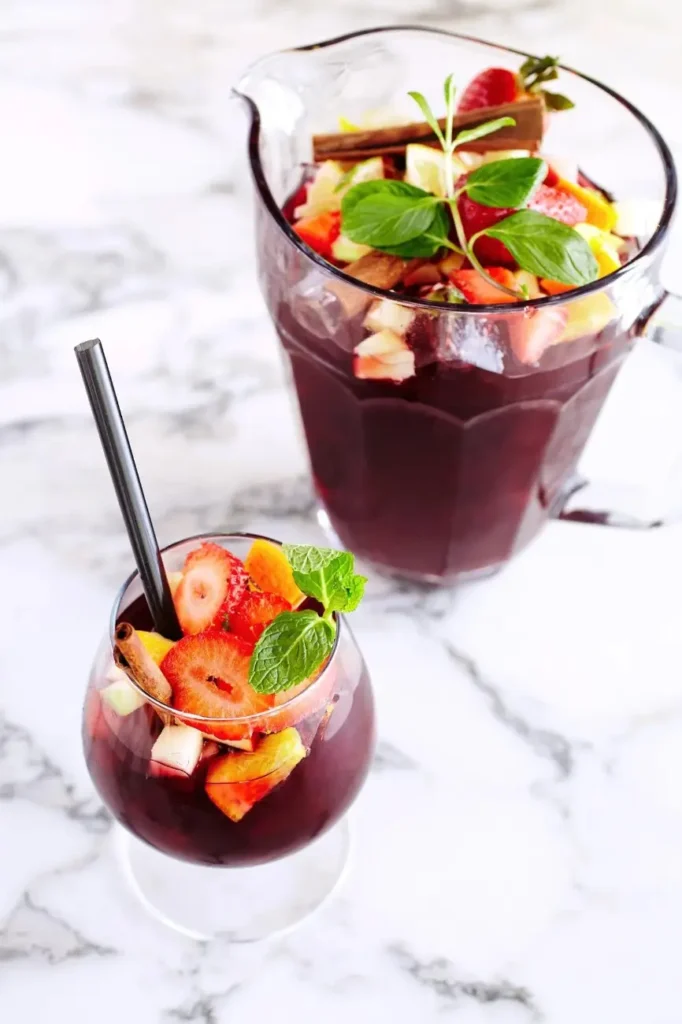
Sangria Variations to Explore
Red Wine Sangria
The classic profile leans heavily on dark berries, citrus, and baking spices. For a winter holiday twist, add a few cinnamon sticks and star anise during the maceration process to bring out the warmth of the red wine.
White Wine Sangria
Swap the red wine for a crisp Albariño. Replace the brandy with a lighter peach schnapps or elderflower liqueur. Use green apples, sliced peaches, and white grapes for a highly refreshing, visually stunning summer alternative.
Non-Traditional Sangria
Rosé sangria bridges the gap perfectly between red and white. Use a dry Rosé, a splash of grapefruit juice, and fresh strawberries. For a celebratory brunch, try a Sparkling Sangria. Macerate your fruit in the liqueurs and juices overnight, and pour a chilled bottle of Champagne or Cava into the pitcher immediately before serving so the bubbles remain violently active.
Modern Dietary Adaptations
For a low-sugar or keto-friendly version, omit the simple syrup entirely and replace the orange liqueur with a splash of orange extract and vodka. Sweeten the mixture slightly with liquid stevia or monk fruit drops. To ensure the recipe is strictly vegan, verify that your chosen wine is processed without animal-derived fining agents (like isinglass or casein), which are common in commercial winemaking.
Tips for the Perfect Pitcher
Make Ahead: The 24-Hour Rule
Patience is the secret ingredient. When you let the fruit soak in the alcohol and sugar overnight, a scientific process called osmosis occurs. The high concentration of alcohol and sugar pulls the natural water and juices out of the fruit cells. Simultaneously, the wine and spirits seep back into the fruit. Chilling the mixture for a full 24 hours maximizes this flavor extraction, resulting in a profoundly integrated and smooth cocktail.
Storage: How Long Does it Last?
If kept tightly covered in the refrigerator, the liquid will remain safe to drink for up to four or five days. However, the texture of the fruit degrades rapidly after the 48-hour mark. The acid breaks down the cellular walls of the apples and citrus, turning them mushy and unappetizing. For optimal presentation and taste, consume the batch within two days.
Avoiding Common Mistakes
Never use the absolute cheapest "bottom shelf" wine available. The cooking adage applies perfectly here: if you would not drink the wine by itself, you should not use it as a base. Furthermore, avoid using canned fruit cocktail or artificially flavored syrups. The preservatives and metallic flavors will overpower the delicate balance of the fresh ingredients.
Food Pairings for Your Sangria
Summer Dishes
The bright acidity of the drink cuts beautifully through rich, fatty foods. Serve a chilled pitcher alongside grilled steaks, smoky barbecue pork ribs, or a heavy brisket. The fruit notes also complement fresh summer salads tossed in sharp vinaigrettes.
Spanish-Inspired Tapas
For an authentic culinary experience, pair your beverage with traditional Spanish small plates. The sharpness of the citrus balances the salty, cured fat of Jamón Ibérico and Manchego cheese. It also serves as the perfect palate cleanser for heavily spiced dishes like garlic shrimp (gambas al ajillo) and crispy fried potatoes with spicy tomato sauce (patatas bravas).
Frequently Asked Questions
How popular is sangria globally?
Consumer data tracking indicates that sangria remains highly relevant. Tastewise analytics report a 10.88% year-over-year increase in general consumption trends, proving it is a growing favorite among modern consumers.
Which regions consume the most sangria?
Unsurprisingly, Europe dominates the global market. Recent market research indicates that Europe holds over 45% of the total market share, driven heavily by tourism and the ingrained wine cultures of Spain and Portugal.
Is sangria easy to find in restaurants?
Yes. Current analytics show that approximately 1.58% of all restaurants in the United States (roughly 59,103 establishments) feature a variation of the drink on their active menus.
Does the alcohol destroy the nutrients in the fresh fruit?
No, the alcohol acts as a solvent. The maceration process actually extracts the water-soluble vitamins and antioxidants from the fruit flesh and citrus peels, depositing those nutrients directly into the liquid you consume.
Why does the mixture taste so much better the next day?
Time allows for the complete extraction of aromatic volatiles. The alcohol slowly breaks down the essential oils in the citrus rinds and the natural sugars in the apples, chemically bonding the harsh alcohol molecules with the smooth fruit esters.
Raise a Glass to Your New Favorite Drink
Making sangria at home is an incredibly rewarding pursuit that requires minimal active labor but yields maximum flavor. By understanding the science of maceration, choosing a low-tannin wine, and balancing your acids and sugars, you guarantee a flawless pitcher every single time.
Use this traditional recipe as your foundation, but do not hesitate to experiment. Swap the fruits based on seasonal availability, adjust the liqueurs to match your personal palate, and discover the exact combination that works best for your next gathering. Grab a pitcher, start slicing, and elevate your weekend beverage routine.
- 1 bottle dry Spanish red wine (Garnacha or Rioja) (750ml)
- 1/2 cup Spanish brandy (or Cognac)
- 1/2 cup orange liqueur (Cointreau or Triple Sec)
- 1/2 cup fresh orange juice (strained of heavy pulp)
- 1/4 cup rich simple syrup (adjust to taste)
- 1 medium Granny Smith apple (cored and chopped into small cubes)
- 1 medium orange (sliced into thin wheels or wedges)
- 1/2 medium lemon (sliced into thin wheels)
- 1 cup club soda or sparkling water (for serving)
- 1 Preparation is KeyBegin by washing all of your fruit thoroughly to remove any agricultural wax, as the citrus rinds will be soaking directly in your beverage. Chop the apple into small, uniform cubes. Slice the orange and lemon into thin wheels. Leaving the rinds on the citrus is crucial, as the alcohol will extract the aromatic oils housed in the peel.
- 2
The Mixing ProcessTake a large glass pitcher and drop the chopped apples, oranges, and lemons into the bottom. Pour the brandy, orange liqueur, fresh orange juice, and simple syrup directly over the fruit. Use a long wooden spoon to gently press and muddle the fruit. You do not want to pulverize it; you simply want to lightly bruise the citrus rinds to release their oils. Next, pour the entire bottle of red wine over the mixture and stir gently to combine all the ingredients.- 3
Serving SuggestionsDo not serve the mixture immediately. Cover the pitcher tightly and place it in the refrigerator for a minimum of 4 hours. When you are ready to serve, fill large wine goblets halfway with fresh ice. Pour the cold sangria over the ice, ensuring a few pieces of the soaked fruit drop into every glass. If you prefer a lighter, bubbly drink, top each glass with two ounces of chilled club soda right before handing it to your guests. - 2