How to Make the Perfect Protein Milkshake Recipe at Home
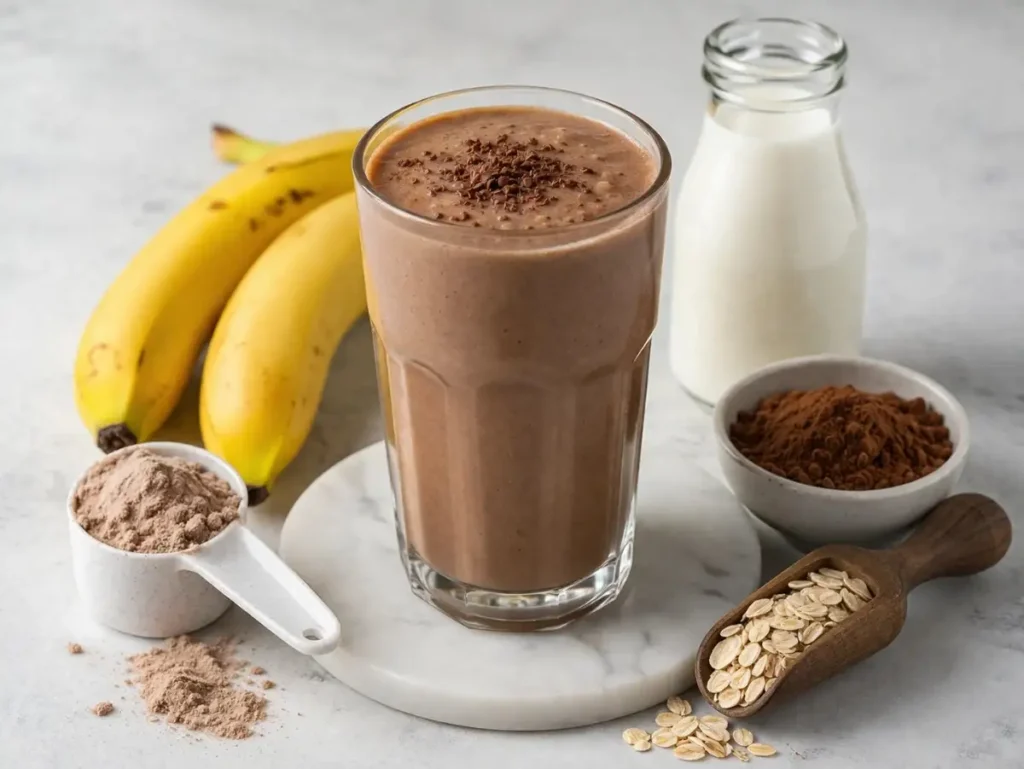
A protein milkshake is a thick, creamy, nutrient-dense beverage that blends protein powder with ingredients like frozen fruit, milk, and nut butter. Offering a rich, dessert-like flavor profile, it is incredibly popular among fitness enthusiasts and health-conscious individuals for supporting muscle recovery, managing weight, and satisfying sweet cravings.
How Do I Make a Basic Protein Milkshake?
To make a simple protein milkshake, add 1 cup of cold liquid (like milk or almond milk) to a blender. Follow this with 1 scoop of your preferred protein powder, 1 frozen banana, and 1 tablespoon of nut butter. Blend on a low setting, gradually increasing to high speed until perfectly smooth. Add a handful of ice cubes and blend again to reach your desired thickness.
Recipe Overview
| Category | Details |
| Preparation Time | 5 minutes |
| Servings | 1 large shake |
| Estimated Calories | 350 - 400 kcal (depending on base) |
| Key Characteristics | High-protein, thick consistency, highly customizable |
Creating a protein milkshake at home gives you complete control over your nutrition. Pre-bottled options often contain artificial preservatives or excessive amounts of added sugars, which can derail your health goals. By sourcing your own ingredients, you can tailor every sip to match your exact dietary needs.
Making these shakes yourself also opens up endless flavor possibilities. You can easily adapt a single base recipe into a post-workout recovery drink, a filling breakfast, or even a strategic tool for healthy weight gain. The versatility of a homemade shake ensures you never get bored with your daily nutrition routine.
What Goes Into the Classic Chocolate Protein Milkshake?
The foundation of a great shake relies on choosing ingredients that provide both excellent flavor and strong nutritional benefits. This classic chocolate version mimics a traditional diner milkshake while delivering the macronutrients your body needs.
Ingredients List
- 1 scoop (approx. 30g) chocolate protein powder: A high-quality whey-based powder sweetened with stevia works best for a smooth texture and clean flavor.
- 1 medium frozen banana: This provides natural sweetness and acts as the primary thickening agent for that authentic milkshake consistency.
- 1 tablespoon (16g) nut butter: Peanut or almond butter adds healthy fats, enhances satiety, and complements the chocolate profile perfectly.
- 1 cup (240ml) unsweetened vanilla almond milk: A low-calorie liquid base that helps blend the ingredients smoothly without overpowering the flavor.
- 1 tablespoon (5g) cocoa powder: We recommend using a dark cocoa powder (like Hershey's Special Dark) to amplify the rich, chocolatey taste.
- 1/2 cup ice cubes: Essential for dropping the temperature and thickening the final drink.
Step-by-Step Preparation Guide
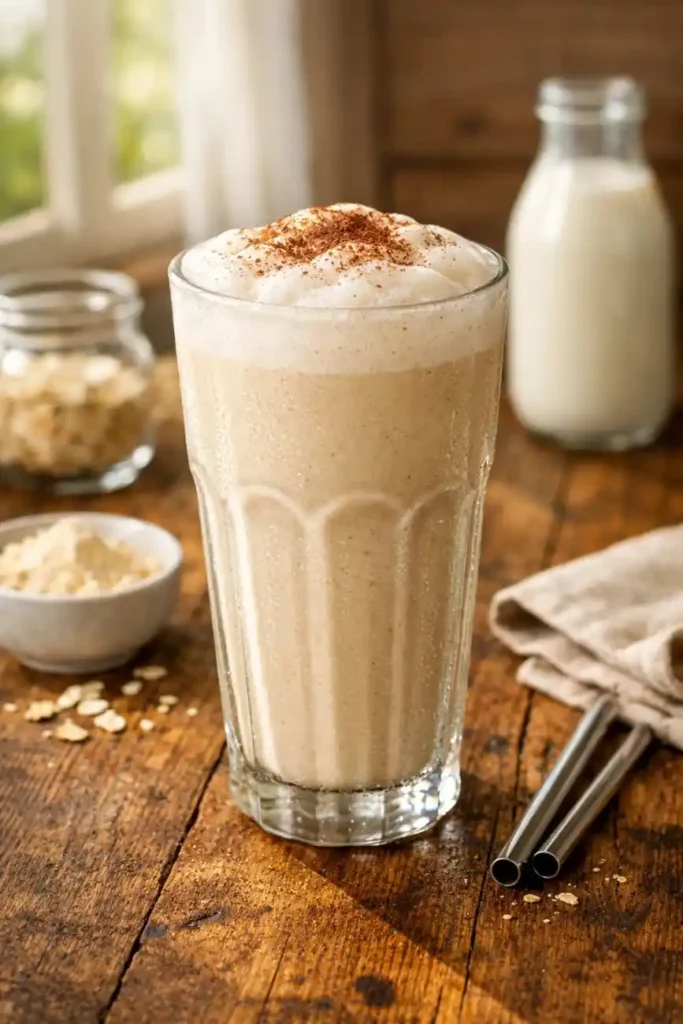
- Prepare your fruit: Peel your banana, slice it into coins, and freeze it in an airtight container for at least 4 hours prior to blending.
- Layer the ingredients: Always add your liquid (almond milk) to the blender pitcher first. This prevents the protein powder from clumping at the bottom. Next, add the frozen banana, nut butter, and cocoa powder. Add the protein powder last.
- Execute the blend: Secure the blender lid and start on a low speed to incorporate the powder into the liquid. After 10 seconds, increase the speed to high and blend for another 30 seconds.
- Incorporate the ice: Drop in the ice cubes and pulse the blender until the mixture reaches a thick, frosty consistency.
Nutritional Breakdown
| Nutrient | Amount |
| Calories | 325 kcal |
| Protein | 28g |
| Carbohydrates | 29g |
| Fats | 11g |
| Fiber | 6g |
| Sugar | 15g (naturally occurring) |
How Can I Customize My Protein Milkshake?
Once you master the base recipe, tweaking the flavor and nutritional profile becomes second nature. Small adjustments can drastically alter the final product.
Flavor Enhancements
If you prefer a sweeter profile, add a teaspoon of pure maple syrup or a dash of cinnamon. Cinnamon pairs exceptionally well with vanilla or chocolate bases. Tossing in a handful of frozen berries (like strawberries or raspberries) introduces a refreshing, tart twist that cuts through the richness of the nut butter.
Texture and Consistency Tips
For an even thicker, ice-cream-like texture, substitute the ice cubes with half a cup of frozen Greek yogurt. You can also increase the amount of frozen banana. Conversely, if your shake is too thick to drink through a straw, simply add a splash of extra almond milk until you reach the desired viscosity.
Additional Nutritional Boosts
You can easily fortify your shake without ruining the taste:
- Greens: A handful of spinach or kale blends seamlessly into chocolate or fruit shakes, adding vitamins without changing the flavor.
- Seeds: One tablespoon of chia or ground flax seeds adds omega-3 fatty acids and fiber.
- Collagen: Unflavored collagen peptides dissolve invisibly, supporting joint and skin health.
- Healthy fats: A quarter of an avocado creates a velvety texture while providing heart-healthy monounsaturated fats.
- Whole fruits: Fresh mango or strawberries can replace the banana if you want to avoid its distinct flavor.
- Oats: Adding a quarter cup of rolled oats provides complex carbohydrates for sustained energy throughout the morning.
How Can I Formulate Protein Shakes for Specific Goals?
Your fitness and health objectives dictate exactly how you should construct your milkshake.
Post-Workout Recovery
After a strenuous training session, your muscles require fast-acting protein and carbohydrates to replenish glycogen stores. A whey-based shake paired with a high-glycemic fruit, such as pineapple or banana, is ideal. Studies show that whey protein is absorbed at a rate of approximately 10 grams per hour, rapidly delivering essential amino acids to muscle tissue.
Weight Gain Strategies
Gaining healthy weight requires maintaining a consistent calorie surplus. Shakes offer an efficient way to consume extra calories without experiencing severe abdominal discomfort or bloating.
To build a high-calorie shake, prioritize calorie-dense ingredients. Instead of almond milk, use whole milk. Swap standard yogurt for full-fat Greek yogurt or add a few tablespoons of avocado and silken tofu. Consuming this type of shake between meals or right before bed is a highly effective weight gain strategy. A prime example is blending a double-scoop chocolate peanut butter shake, which can easily surpass 800 calories.
Breakfast or Meal Replacement
If you plan to use your shake as a meal replacement, it must contain a balanced macronutrient profile to keep you full. Incorporate a slower-digesting protein (like casein or a plant-based blend), complex carbohydrates (oats), and healthy fats (flax seeds). This combination significantly increases the satiety index of the meal, preventing mid-morning hunger crashes.
What Are Some Other Delicious Protein Shake Recipes?
Expanding your recipe repertoire ensures you always have a shake that fits your current craving.
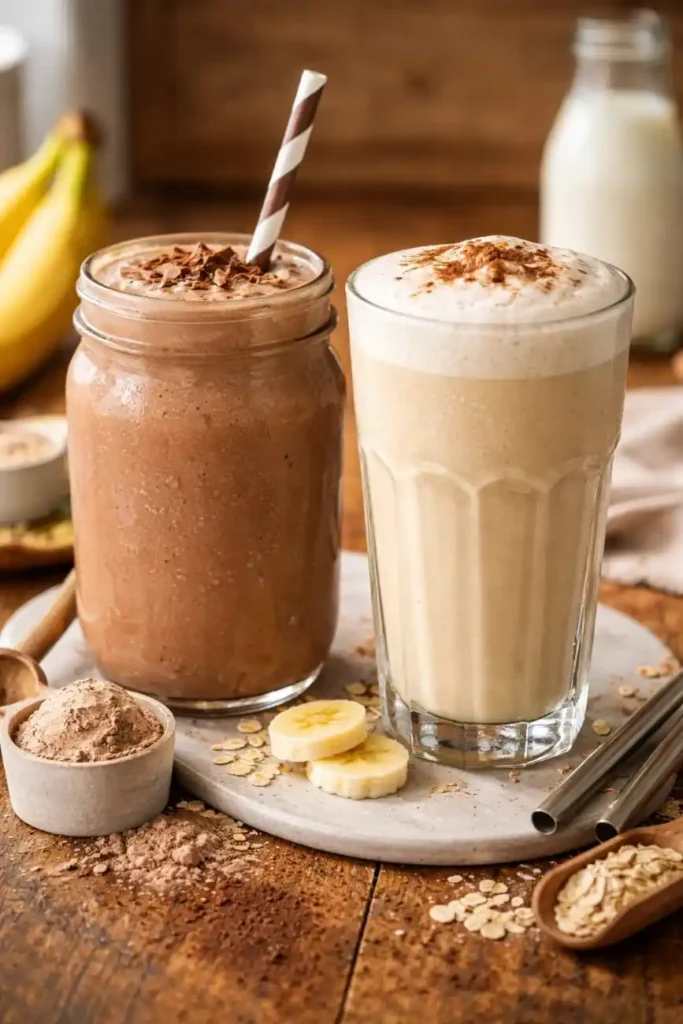
Chocolate Banana Peanut Butter Shake (Recap)
As detailed earlier, this fan-favorite blends liquid, frozen banana, nut butter, and dark cocoa powder into a dessert-like treat. It remains the ultimate choice for satisfying late-night sweet tooth cravings while hitting protein targets.
Tropical Green Protein Shake
This bright, refreshing shake masks the taste of leafy greens completely.
- Ingredients: 1/2 cup frozen mango, 1/2 frozen banana, 1 cup fresh spinach, 1 scoop vanilla plant protein, 1 cup coconut water.
- Optional additions: A squeeze of fresh lime juice and a teaspoon of chia seeds elevate the flavor and nutritional value.
Strawberry Oat Shake
Perfect for a quick breakfast on the go.
- Ingredients: 1 cup frozen strawberries, 1/4 cup rolled oats, 1 tablespoon almond butter, 1 scoop vanilla protein, 1 cup oat milk.
- Optional additions: Crumble a graham cracker over the top for a satisfying crunch.
What Are the Best Tips for the Perfect Protein Shake?
Many home recipes fail to achieve that commercial smoothie-shop quality. By applying a few specific techniques, you can fix common texture and flavor issues.
The Importance of High-Quality Protein Powder
Your shake will only ever taste as good as the powder you use. Cheap powders often contain fillers that cause a gritty, chalky mouthfeel. Invest in a reputable brand that uses minimal artificial sweeteners.
Blending Order for Smoothness
As mentioned, the sequence matters. A common mistake is dumping powder into an empty blender and pouring milk on top. This forces the powder into the blender's corners, creating stubborn, dry clumps. Liquid always goes first, followed by soft ingredients, powder, and finally hard/frozen items.
Troubleshooting and Texture Tricks
- Too thin: Add a quarter teaspoon of xanthan gum. This natural thickener binds the liquid and prevents the ingredients from separating over time.
- Too foamy: Whey protein can whip up into a massive foam if blended on high for too long. To fix this, blend the liquid and solids first, then pulse the protein powder in gently at the very end.
- Separation: If you store your shake, the water and solids will separate. Simply shake it vigorously in a shaker bottle before consuming.
Storage Guidance
While protein milkshakes are best enjoyed immediately, you can store them in an airtight thermos or mason jar in the refrigerator for up to 24 hours. Alternatively, pour leftover shake mixture into popsicle molds and freeze them for a high-protein summer treat.
Wrap Up Your Nutrition Routine
Mastering the homemade protein milkshake gives you a powerful, delicious tool for meeting your nutritional goals. By understanding how to balance liquids, proteins, and thickeners, you can bypass expensive smoothie shops and create superior beverages right in your own kitchen.
Take the time to experiment with different flavor profiles, bases, and nutritional add-ins. Whether you need a 300-calorie post-workout refresher or an 800-calorie weight-gaining powerhouse, the perfect shake is just a quick blend away.
Frequently Asked Questions (FAQs)
How long does it take for the body to absorb whey protein from a shake?
Research indicates that whey protein is a fast-acting protein, absorbing at a rate of approximately 10 grams per hour. A standard shake containing 20 to 30 grams of whey will be fully absorbed by your body within two to three hours.
Can I prepare a protein milkshake the night before?
Yes. You can blend your shake and store it in an airtight container in the refrigerator for up to 24 hours. The ingredients will likely separate as they sit, so you will need to shake it vigorously or give it a quick re-blend before drinking.
Why does my protein shake taste chalky or gritty?
Chalkiness is usually caused by low-quality protein powder or inadequate blending. To fix this, switch to a premium isolate powder, ensure you add your liquid base first, and blend for at least 45 seconds on a high setting to fully dissolve the particles.
Does a protein shake keep you as full as a solid meal?
Solid foods generally have a higher satiety index than liquids. However, you can significantly increase the filling power of a protein shake by adding fiber (oats, chia seeds) and healthy fats (nut butter, avocado), which slow down the digestion process.
How can I make my protein shake thicker without adding extra calories?
To thicken a shake without adding high-calorie ingredients like peanut butter or extra bananas, use a handful of ice cubes, a quarter teaspoon of xanthan gum, or swap half of your liquid base for plain, low-fat Greek yogurt.
- 1 scoop chocolate protein powder (approx. 30g)
- 1 medium frozen banana
- 1 tablespoon nut butter (16g)
- 1 cup unsweetened vanilla almond milk (240ml)
- 1 tablespoon cocoa powder (5g)
- 1/2 cup ice cubes
- 1 Prepare your fruitPeel your banana, slice it into coins, and freeze it in an airtight container for at least 4 hours prior to blending.
- 2
Layer the ingredientsAlways add your liquid (almond milk) to the blender pitcher first. This prevents the protein powder from clumping at the bottom. Next, add the frozen banana, nut butter, and cocoa powder. Add the protein powder last.- 3
Execute the blend Secure the blender lid and start on a low speed to incorporate the powder into the liquid. After 10 seconds, increase the speed to high and blend for another 30 seconds.- 4
Incorporate the iceDrop in the ice cubes and pulse the blender until the mixture reaches a thick, frosty consistency. - 2