
This Protein Coffee Hack Will Change Your Mornings Forever

Protein coffee, widely known as "proffee," is a creamy, highly customizable morning beverage that combines bold espresso or cold brew with a rich protein source. Popular for its satiating benefits and delicious latte-like flavor, this energizing drink perfectly balances your daily caffeine kick with essential muscle-building nutrients.
How do you make protein coffee quickly?
To make a basic iced protein coffee, thoroughly mix 1 scoop of your preferred protein powder with ¼ cup of cold or room-temperature milk using a milk frother or shaker bottle. Once the mixture is entirely smooth and clump-free, pour it into a tall glass filled with ice. Top the glass with 6 to 8 ounces of cold brew or freshly brewed espresso, stir well, and serve immediately.
Adding protein to your daily cup of joe is much more than a fleeting social media trend. Merging your morning caffeine routine with a substantial dose of protein creates a nutrient-dense beverage that helps you start the day effectively. A high-protein breakfast beverage keeps you feeling full throughout the morning, curbing early cravings and supporting steady energy levels.
When you consume protein early in the day, your body digests it slowly. This gradual digestion process prevents the sharp blood sugar spikes and subsequent crashes often associated with sugary cafe lattes. Whether your goal is weight loss, muscle recovery, or simply finding a convenient way to hit your daily macro targets, this protein coffee recipe provides a practical and delicious solution.
Recipe Overview
Before gathering your ingredients, review this quick breakdown of the recipe specifications.
| Recipe Detail | Information |
| Prep Time | 5 minutes |
| Total Time | 5 minutes |
| Servings | 1 drink (approx. 12 ounces) |
| Calories | 70 to 260 kcal (varies by ingredients) |
| Protein | 10g to 29g (varies by ingredients) |
What is the nutritional breakdown of protein coffee?
Depending on the specific milk and protein powder you select, your daily cup can be easily tailored to fit your dietary needs. A simple mixture using water or a low-calorie plant milk will keep the drink under 100 calories, while using whole milk and a heavy scoop of whey can push the protein content closer to 30 grams.
Here is a general nutritional comparison based on mixing 6 ounces of coffee, 1 scoop of vanilla whey protein (approx. 20g protein), and 8 ounces of various milk types:
| Milk Choice (8 oz) | Total Calories | Total Protein | Total Carbs |
| Water / Black Coffee | ~100 kcal | ~20 g | ~2 g |
| Unsweetened Almond Milk | ~130 kcal | ~21 g | ~3 g |
| Oat Milk (Regular) | ~220 kcal | ~23 g | ~18 g |
| 2% Dairy Milk | ~220 kcal | ~28 g | ~14 g |
| Whole Dairy Milk | ~250 kcal | ~29 g | ~14 g |
What are the essential ingredients for proffee?
You only need three foundational ingredients to create a cafe-quality beverage at home.
- Coffee: The base of your drink dictates its overall strength. Cold brew coffee is incredibly smooth and naturally less acidic, making it perfect for iced drinks. A double shot of freshly brewed espresso works wonderfully for a stronger, more robust flavor.
- Protein Powder: Vanilla is the most versatile flavor, blending seamlessly with coffee to mimic a vanilla latte. Chocolate protein powder creates a rich mocha flavor. Unflavored collagen peptides are an excellent alternative if you prefer the pure taste of black coffee without added thickness or sweetness.
- Milk or Liquid Base: You can use any milk you prefer. Dairy milk offers the highest natural protein content, while unsweetened almond or soy milk keeps the calorie count low.

How do you make hot protein coffee?
Mixing protein powder with hot liquids requires a specific technique. If you drop whey protein directly into boiling coffee, the heat will denature the proteins, resulting in a separated, chunky, and unappetizing mess.
Hot Proffee Instructions
- Prepare the protein base: In your favorite coffee mug, combine 1 scoop (or about 3 tablespoons) of protein powder with ¼ cup of cold or room-temperature milk.
- Froth the mixture: Use a handheld milk frother to blend the milk and powder until completely smooth. If you lack a frother, whisk vigorously with a fork until no dry lumps remain.
- Brew the coffee: Prepare 6 to 8 ounces of hot coffee or a double shot of espresso. Allow the coffee to cool slightly for about one minute so it is not boiling hot.
- Combine and stir: While stirring your protein mixture continuously, slowly pour the hot coffee into the mug.
- Serve: Add a dash of cinnamon or a drop of vanilla extract to taste, and enjoy immediately.
How do you make iced protein coffee?
Iced protein coffee is highly refreshing and slightly easier to mix since you do not have to worry about the protein curdling from extreme heat.
Iced Proffee Instructions
- Mix the milk and protein: In a shaker bottle or a tall glass, combine 1 scoop of protein powder with ½ cup of your preferred milk.
- Blend thoroughly: Shake vigorously for 30 seconds or use a milk frother until the liquid is thick and creamy.
- Prepare the glass: Fill a large serving glass to the top with ice cubes.
- Add the coffee: Pour 6 to 8 ounces of cold brew, chilled coffee, or chilled espresso over the ice.
- Combine the layers: Pour your frothed protein milk directly over the iced coffee. Stir gently with a straw to combine the layers and enjoy.
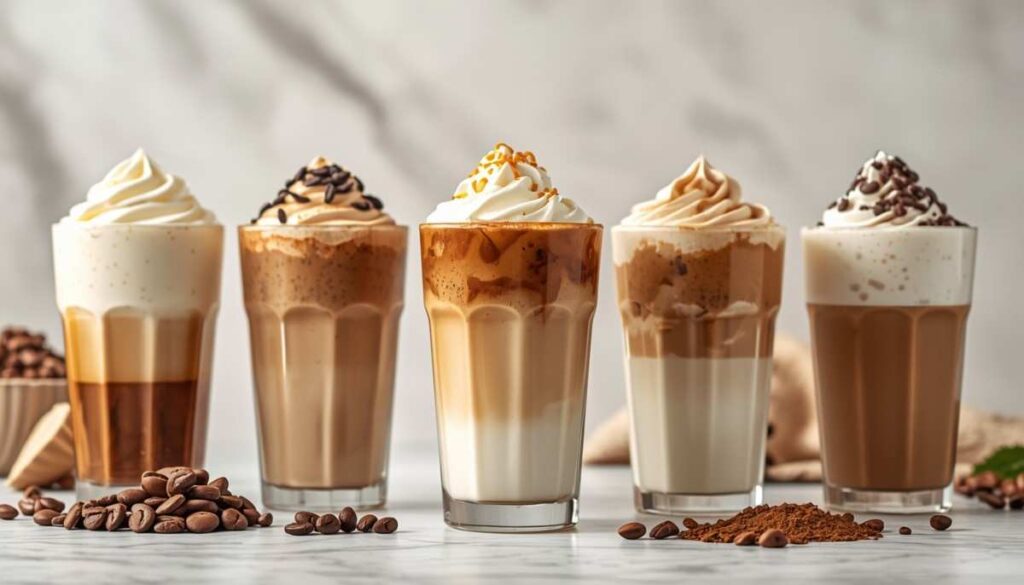
What are some specialized recipe variations?
Customizing your drink keeps your daily routine exciting. Try these variations to suit different flavor preferences and dietary requirements.
The Coffee Lover's Protein Smoothie
If you need a more substantial breakfast, turn your beverage into a thick, nutrient-dense smoothie. Add the following ingredients to a high-speed blender:
- 6 ounces of cold brew coffee
- 1 scoop of chocolate or vanilla protein powder
- 1 frozen ripe banana
- 1 tablespoon of peanut butter or almond butter
- 1 tablespoon of chia seeds or cacao nibs
- ½ cup of ice
Blend on high until completely smooth. The frozen banana adds natural sweetness and a thick, milkshake-like texture, while the peanut butter offers healthy fats for sustained energy.
Vegan and Dairy-Free Adaptations
Creating a plant-based version of this recipe is incredibly simple. Swap traditional whey for a high-quality pea, soy, or brown rice protein powder. Pair your plant-based powder with oat milk for the creamiest texture, or unsweetened almond milk for a lighter option. Plant-based powders can sometimes possess an earthy flavor, so adding a few drops of liquid stevia or pure maple syrup easily balances the taste.
How can you customize and perfect your drink?
Crafting the ideal beverage takes a little bit of experimentation. Use these practical tips to refine your recipe and avoid common kitchen pitfalls.
Troubleshooting Texture Issues
If your drink feels too chalky or thick, you might be using too much powder relative to your liquid. Start with a half scoop of protein powder to see how it alters the texture of your coffee. Casein and vegan protein powders absorb more liquid than whey or collagen, so you will naturally need to add an extra splash of milk to thin out the consistency.
Exploring Collagen Peptides
Collagen is a fantastic alternative if you dislike the milky texture of traditional protein shakes. Collagen peptides dissolve flawlessly into both hot and cold liquids without altering the flavor or texture of your coffee. While collagen is not a complete protein, it still provides valuable amino acids that support joint, skin, and hair health.
Preventing Watered-Down Iced Coffee
To keep your iced coffee strong from the first sip to the last, utilize coffee ice cubes. Simply pour leftover brewed coffee into an ice cube tray and freeze overnight. As the cubes melt in your drink, they will release more coffee instead of plain water, preserving the bold roasted flavor.
How does protein coffee support health and wellness?
Combining your morning caffeine with a macronutrient boost offers several physiological benefits backed by nutritional science.
Coffee Antioxidants and Health
Coffee is abundant in bioactive compounds. Notably, it is a rich source of chlorogenic acid (CGA), a type of polyphenol compound found in high concentrations in green coffee beans. Research consistently shows that chlorogenic acid possesses strong antioxidant properties, helping your body neutralize harmful free radicals. By enjoying this beverage, you are simultaneously hydrating, energizing, and providing your body with protective antioxidants.

Enhancing Muscle Protein Synthesis
For active individuals, nutrient timing plays a critical role in recovery. Consuming protein provides the building blocks your body requires to repair tissue. Dietary guidelines often suggest consuming 20 to 40 grams of high-quality protein following a workout to maximize muscle protein synthesis. Having a proffee right after a morning gym session perfectly aligns with these recovery recommendations, delivering both the protein necessary for muscle repair and the fluids needed for rehydration.
Safe Caffeine Consumption
While coffee boasts numerous benefits, monitoring your intake remains important. The U.S. Food and Drug Administration (FDA) recommends a limit of up to 400 milligrams of caffeine per day for healthy adults. This amount—roughly equivalent to four 8-ounce cups of standard brewed coffee—is generally not associated with negative side effects. Pay attention to the caffeine content of the specific cold brew or espresso you choose, as some concentrated brands contain significantly higher caffeine levels per serving.
Frequently Asked Questions
How long does protein coffee last in the fridge?
You can safely store prepared protein coffee in an airtight mason jar in the refrigerator for up to 2 days. The protein powder may settle at the bottom over time, so be sure to shake it vigorously or use a frother to remix the ingredients before drinking.
How much caffeine is safe to consume per day?
The FDA cites 400 milligrams of caffeine a day as a safe limit for most healthy adults. If you use a highly caffeinated cold brew concentrate, check the nutrition label, as some concentrates can contain up to 150 milligrams of caffeine in just a 6-ounce serving.
Can I use a pre-made protein shake instead of powder?
Yes. Using a store-bought, ready-to-drink protein shake is a highly convenient alternative. Simply pour 6 to 8 ounces of your favorite pre-made shake directly over ice and top it with 6 to 8 ounces of espresso or cold brew coffee.
Why did my protein powder curdle in hot coffee?
Whey protein denatures and clumps when exposed to high temperatures. To prevent curdling, you must mix the powder with a small amount of cold or room-temperature milk to create a smooth paste before slowly pouring in the hot coffee.
How many grams of protein should I aim for in my coffee?
Depending on your dietary goals, aiming for 15 to 30 grams of protein in your coffee is an excellent target. A standard scoop of whey provides roughly 20 to 25 grams, which acts as a sufficient serving to promote satiety and support muscle recovery.
Elevate Your Morning Routine
Integrating a protein coffee into your daily schedule is a highly efficient way to prioritize your nutritional needs without sacrificing the simple pleasure of your morning brew. By mastering the basic preparation techniques and experimenting with different flavor profiles, you can easily create a beverage that tastes like a premium cafe treat while supporting your physical health. Grab your favorite coffee blend, select a high-quality protein powder, and start fueling your mornings with intention.
- 6 ounces cold brew coffee
- 1 scoop chocolate or vanilla protein powder
- 1 frozen ripe banana
- 1 tablespoon peanut butter or almond butter
- 1 tablespoon chia seeds or cacao nibs
- ½ cup ice
- 1 Prepare the protein baseIn your favorite coffee mug, combine 1 scoop (or about 3 tablespoons) of protein powder with ¼ cup of cold or room-temperature milk.
- 2
Froth the mixtureUse a handheld milk frother to blend the milk and powder until completely smooth. If you lack a frother, whisk vigorously with a fork until no dry lumps remain.- 3
Brew the coffeePrepare 6 to 8 ounces of hot coffee or a double shot of espresso. Allow the coffee to cool slightly for about one minute so it is not boiling hot.- 4
Combine and stir While stirring your protein mixture continuously, slowly pour the hot coffee into the mug.- 5
ServeAdd a dash of cinnamon or a drop of vanilla extract to taste, and enjoy immediately. - 2