Mango Daiquiri Recipe: Easy, Refreshing & Perfect Every Time
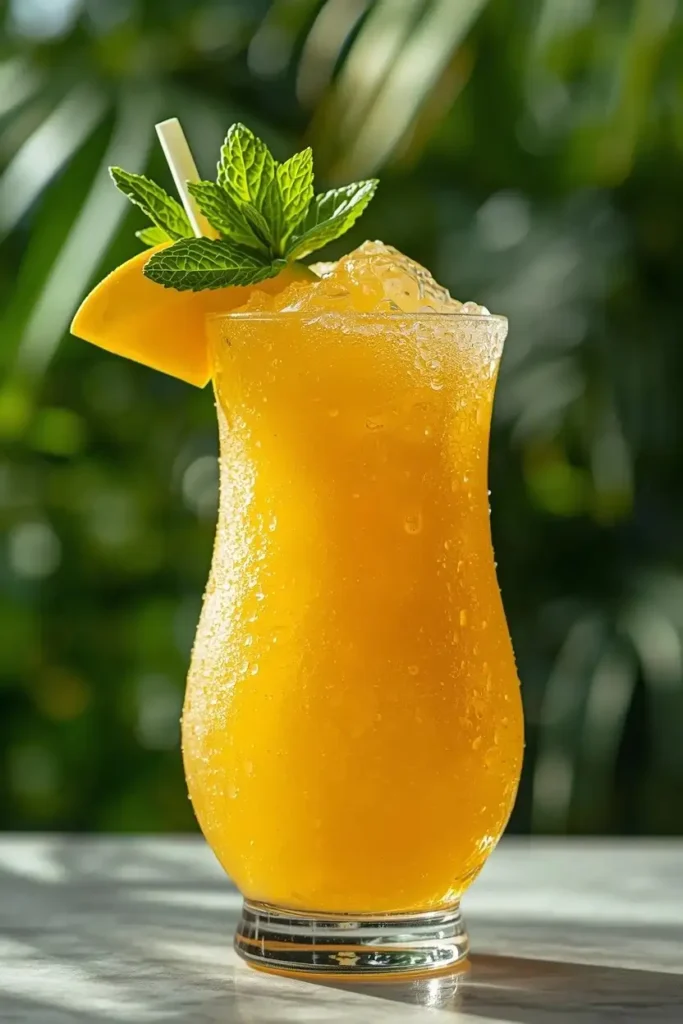
The frozen mango daiquiri is a vibrantly sweet, tropical cocktail blending frozen mango chunks, crisp white rum, fresh lime juice, and a splash of orange liqueur. Popular for its refreshing, slushie-like texture, this fruit-forward drink offers a perfect balance of tart citrus and mellow sweetness without being watered down.
How to Make a Mango Daiquiri
To make a frozen mango daiquiri, add 1.5 cups of frozen mango chunks, 2 ounces of white rum, 1 ounce of fresh lime juice, 1 ounce of orange liqueur, and a half cup of ice to a high-powered blender. Blend on the highest setting for 45 seconds until completely smooth. Pour the mixture into a chilled glass and garnish with a fresh mango slice or lime wheel.
Why the Mango Daiquiri Deserves a Spot on Your Summer Menu
Classic stirred daiquiris have a storied history rooted in Cuba, relying on a simple, elegant combination of rum, lime, and sugar. Over the decades, bartenders began experimenting with tropical fruits and ice, giving birth to the blended variations we recognize today.
While strawberry often steals the spotlight, mango offers a uniquely creamy, aromatic profile that pairs beautifully with the bite of fresh citrus. Crafting the perfect version at home requires more than just tossing ingredients into a blender. Understanding how different rums interact with tropical fruit and knowing the exact ratio of frozen fruit to ice will elevate your cocktail from a standard pub drink to a professional-grade beverage.
Choosing Your Base: Which Rum Makes the Best Cocktail?
The spirit you choose serves as the foundation of your drink. Because mango possesses a delicate, floral sweetness, your choice of rum will dictate the entire flavor profile of the cocktail.
White Rum
White rum, also known as silver or light rum, is the traditional and most recommended choice for a mango daiquiri. It is typically aged for a short period and filtered to remove color. This process results in a clean, crisp flavor with subtle hints of citrus and vanilla. Because it is so light, white rum allows the natural mango flavor to remain the star of the show.
Gold Rum
Gold rum spends more time aging in oak barrels, picking up warm notes of caramel, toasted almond, and baking spices. Using gold rum in your cocktail will give the drink a richer, slightly heavier profile. It pairs wonderfully with the fruit, acting almost like a baked dessert, but it will slightly mask the bright, fresh notes of the lime juice.
Dark Rum
Dark rum is heavily aged and often contains molasses. It features deep, robust flavors of brown sugar and smoke. While fantastic in a Mai Tai, dark rum is generally too overpowering for a mango daiquiri. The heavy molasses notes tend to clash with the delicate fruit.
Rum Selection Guide
| Rum Type | Flavor Profile | Best For | Recommended Brands |
| White / Silver | Clean, crisp, bright | Fresh, fruit-forward cocktails | Bacardi Superior, Plantation 3 Stars |
| Gold / Reposado | Caramel, oak, vanilla | Richer, sweeter tropical drinks | Appleton Estate, Mount Gay |
| Dark | Molasses, smoke, heavy | Strong tiki drinks, punches | Goslings, Myers's Original Dark |
The Secret to Perfect Texture: Frozen Fruit vs. Ice
Many standard recipes call for fresh fruit and a large amount of ice. This often leads to a watered-down drink that separates quickly in the glass. The secret to achieving a thick, velvety texture lies in using frozen mango chunks.
Mangoes contain high amounts of natural pectin and dietary fiber. When frozen and blended, these components act as thickeners, creating an emulsion that mimics the consistency of fruit sorbet. By relying primarily on frozen fruit rather than ice cubes, you maintain a highly concentrated flavor profile. You only need a tiny amount of ice to provide a slight chill and thin out the puree to a drinkable consistency.
If you purchase fresh mangoes, peel and chop them into uniform cubes. Spread them out on a baking sheet lined with parchment paper and freeze them for at least four hours before blending. This prevents the chunks from clumping together in one large block.
Essential Ingredients for the Perfect Blend
Creating a balanced cocktail requires precise measurements and high-quality ingredients. Here is exactly what you need to craft two servings.
- 1.5 cups frozen mango chunks: The foundation of the drink, providing sweetness, color, and a thick texture.
- 3 ounces white rum: Provides a clean alcoholic kick without overshadowing the fruit.
- 1.5 ounces fresh lime juice: Acidity is crucial for balancing the heavy sweetness of the mango. Always squeeze your limes fresh; bottled lime juice contains preservatives that alter the taste.
- 1 ounce orange liqueur or mango nectar: This ingredient adds depth. Cointreau offers a dry, punchy orange flavor, while Triple Sec is sweeter and more syrupy. If you prefer a lower-alcohol drink, swap the liqueur for thick mango nectar.
- 0.5 ounces agave syrup (optional): Depending on the ripeness of your fruit, you might need a touch of extra sweetener. Agave dissolves perfectly in cold liquids.
- 0.5 cups ice cubes: Just enough to add a frosty chill.
Step-by-Step Preparation Guide
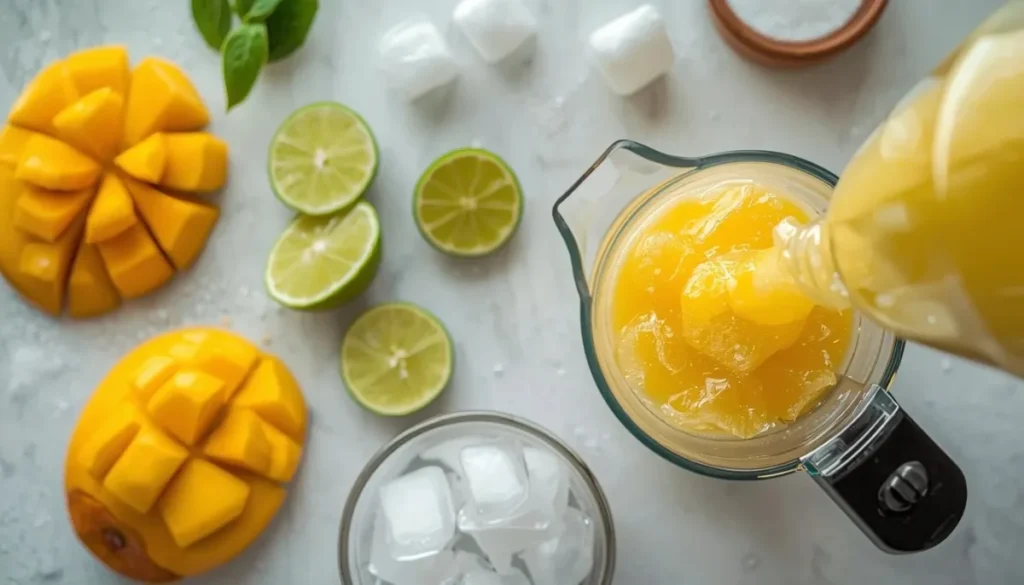
For this recipe, a high-powered countertop blender is essential. Follow these steps for a flawless execution.
1. Prep Your Glassware
Place your serving glasses in the freezer for about ten minutes before you begin. A chilled glass keeps your cocktail frozen longer, especially on a warm afternoon.
2. Load the Blender Properly
Always add your liquid ingredients to the blender pitcher first. Pour in the white rum, fresh lime juice, orange liqueur, and agave syrup. Adding liquids first helps the blender blades catch and pull down the solid ingredients. Next, add the frozen mango chunks and the ice cubes.
3. Blend to a Smooth Emulsion
Start your blender on a low speed to crush the ice and fruit. After ten seconds, increase the speed to high. Blend for a full 45 to 60 seconds. You are looking for a silky, homogenous mixture with absolutely no ice chunks remaining.
4. Taste and Adjust
Before pouring, stop the blender and taste the mixture using a spoon. Mangoes vary wildly in their natural sugar content.
- If the drink is too tart, add a splash of agave syrup.
- If the drink is too sweet, squeeze in another wedge of fresh lime.
- If the mixture is too thick to pour, add a splash of mango nectar or water and pulse again.
Creative Recipe Variations
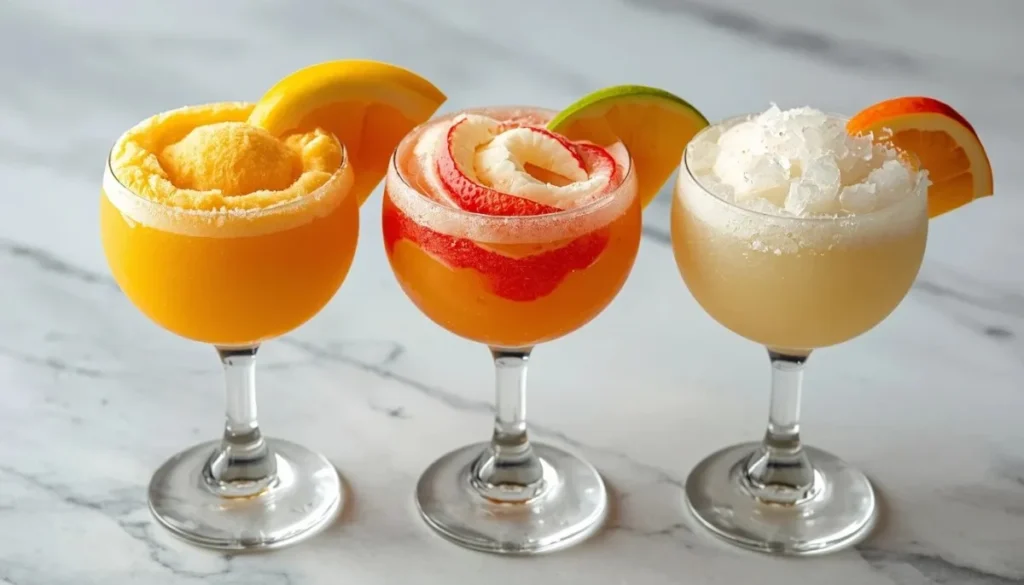
Once you master the base recipe, you can easily tweak the ingredients to create exciting new flavor profiles.
Strawberry Mango Daiquiri
Strawberries and mangoes are a classic flavor pairing. For this variation, reduce the frozen mango to one cup and add a half cup of frozen strawberries. The strawberries add a pleasant acidity and transform the drink into a beautiful sunset-orange color. You can also blend the two fruits separately and layer them in the glass for a striking visual effect.
Peach Mango Daiquiri
Peaches bring a soft, floral sweetness that complements mango perfectly. Swap out half a cup of the mango for frozen peach slices. Consider adding a dash of vanilla extract to the blender to enhance the warm notes of the peach.
Spicy Habanero Mango Daiquiri
For those who enjoy a kick of heat, add one thin slice of fresh habanero or jalapeño pepper to the blender. The capsaicin in the pepper cuts through the dense fruit sugars, leaving a pleasant, lingering warmth on the back of the palate.
Expert Serving Tips and Glassware
Presentation elevates a simple home cocktail into a resort-quality experience.
Selecting the Right Glass
Serving a frozen drink requires glassware with a stem. A coupe glass, a margarita glass, or a wide-mouthed martini glass are all excellent choices. The stem serves a highly functional purpose: it prevents the warmth of your hand from melting the frozen cocktail.
Elegant Garnishes
Keep garnishes simple but impactful. A thin slice of fresh mango perched on the rim of the glass is a classic choice. A twisted ribbon of lime peel adds a pop of bright green color. For a tropical aesthetic, you can also pin an edible flower, like an orchid or hibiscus, to a cocktail pick.
If you opted for the spicy habanero variation, consider rimming half of the glass with a chili-lime seasoning blend. Simply rub a lime wedge along the outside edge of the glass and dip it into the seasoning before pouring the drink.
Freezer Storage for Leftovers
One of the best benefits of a blended rum drink is how well it stores. Alcohol lowers the freezing point of liquids. If you have leftover daiquiri mixture, pour it into an airtight, freezer-safe container. The rum will prevent the mixture from freezing into a solid block. When you are ready for another round, simply scoop the slush directly into a glass.
Nutritional Highlights
Fresh fruit cocktails provide a surprising amount of nutritional value compared to drinks made with artificial syrups. Mangoes are incredibly nutrient-dense.
| Nutrient | Approximate Amount per Serving |
| Calories | 175 kcal |
| Carbohydrates | 22 g |
| Dietary Fiber | 2.5 g |
| Sugars | 18 g |
| Vitamin C | 35 mg |
By utilizing whole frozen fruit instead of commercial sweet-and-sour mixes, you skip the empty calories associated with refined corn syrup. Mangoes deliver a massive dose of Vitamin A and vitamin C, alongside powerful antioxidants that support immune health.
Data-Driven FAQs About Mango Daiquiris
How many calories are in a standard mango daiquiri?
A standard homemade serving containing 1.5 ounces of rum and 3/4 cup of frozen mango contains approximately 160 to 180 calories. Commercial restaurant versions often exceed 350 calories due to added refined sugar syrups and larger portion sizes.
What is the vitamin C content of this cocktail?
A single serving provides roughly 35 milligrams of vitamin C. This accounts for approximately 40 to 45 percent of the recommended daily value for an average adult, derived entirely from the fresh mango and lime juice.
How long does it take for fresh mango to freeze for cocktails?
Fresh mango cubes spread in a single layer on a baking sheet require a minimum of 4 hours at 0°F (-18°C) to freeze completely solid. Freezing them overnight yields the best texture for blending.
Why doesn't a leftover daiquiri freeze solid in the freezer?
Standard white rum has an alcohol by volume (ABV) of 40%, which freezes at around -17°F (-27°C). Because standard home freezers are set to 0°F, the alcohol content prevents the blended fruit puree from fully crystallizing, maintaining a scoopable, slushie texture.
Do different mango varieties affect the sugar content?
Yes. Honey Gold and Ataulfo (yellow) mangoes contain up to 20% more natural sugars than standard red Tommy Atkins mangoes. Using sweeter varieties often eliminates the need for added agave or simple syrup.
Elevate Your Home Bartending Skills
Mastering the frozen mango daiquiri is a fantastic way to upgrade your home bartending repertoire. By focusing on high-quality white rum, utilizing the natural thickening power of frozen fruit, and balancing the flavors with fresh lime juice, you can easily bypass overly sweet restaurant versions.
Take the time to freeze your fruit, experiment with a splash of orange liqueur, and try layering different fruit blends for your next gathering. Grab your blender, pick up some fresh ingredients, and enjoy a perfectly crafted slice of the tropics right in your kitchen.
- 1.5 cups frozen mango chunks
- 3 ounces white rum
- 1.5 ounces fresh lime juice
- 1 ounce orange liqueur or mango nectar
- 0.5 ounces agave syrup (optional)
- 0.5 cups ice cubes
- 1 Prep Your GlasswarePlace your serving glasses in the freezer for about ten minutes before you begin. A chilled glass keeps your cocktail frozen longer, especially on a warm afternoon.
- 2
Prep Your GlasswareAlways add your liquid ingredients to the blender pitcher first. Pour in the white rum, fresh lime juice, orange liqueur, and agave syrup. Adding liquids first helps the blender blades catch and pull down the solid ingredients. Next, add the frozen mango chunks and the ice cubes.- 3
Blend to a Smooth EmulsionStart your blender on a low speed to crush the ice and fruit. After ten seconds, increase the speed to high. Blend for a full 45 to 60 seconds. You are looking for a silky, homogenous mixture with absolutely no ice chunks remaining.- 4
Taste and AdjustBefore pouring, stop the blender and taste the mixture using a spoon. Mangoes vary wildly in their natural sugar content.
- If the drink is too tart, add a splash of agave syrup.
- If the drink is too sweet, squeeze in another wedge of fresh lime.
- If the mixture is too thick to pour, add a splash of mango nectar or water and pulse again.
- 2