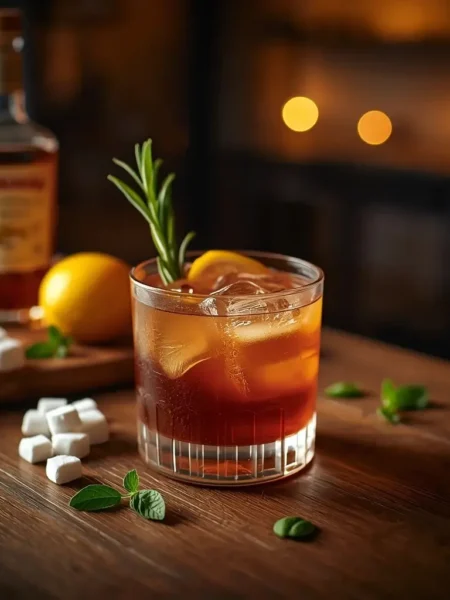
Limoncello is a bright, sweet Italian lemon liqueur with an intense citrus flavor and a smooth, slightly syrupy finish. Born on the sun-drenched shores of the Amalfi Coast, it has traveled from cliffside trattorias to home kitchens around the world—and for good reason. With just four ingredients and a little patience, you can make a batch that rivals anything sold in a bottle.
To make limoncello, steep organic lemon peels in high-proof grain alcohol (such as 151-proof Everclear) for 1–4 weeks. Strain out the peels, mix the infused alcohol with cooled simple syrup, bottle, and chill. That’s it.
| Detail | Info |
| Prep Time | 30 minutes |
| Infusion Time | 7–30 days |
| Total Active Time | ~40 minutes |
| Yield | ~2–3 liters (approx. 3 x 750ml bottles) |
| ABV (approx.) | 29–37% (depending on alcohol used) |
| Calories per shot (1 oz) | ~37–164 kcal (varies by sugar ratio) |
| Difficulty | Easy |
What Is Limoncello, Exactly?
Limoncello is a lemon-flavored liqueur originating from the Campania region of southern Italy—specifically the Amalfi Coast, Sorrento, and the Isle of Capri. It’s made by macerating lemon peels in high-proof alcohol, then blending the infused spirit with a sugar syrup to create a liqueur that is simultaneously bright, citrusy, sweet, and warming.
Traditionally served ice-cold in a small shot glass after dinner, it acts as a digestif—aiding digestion and finishing a meal on a refreshing note. Unlike store-bought versions that often contain preservatives and artificial coloring, homemade limoncello is clean, vivid, and intensely flavorful.
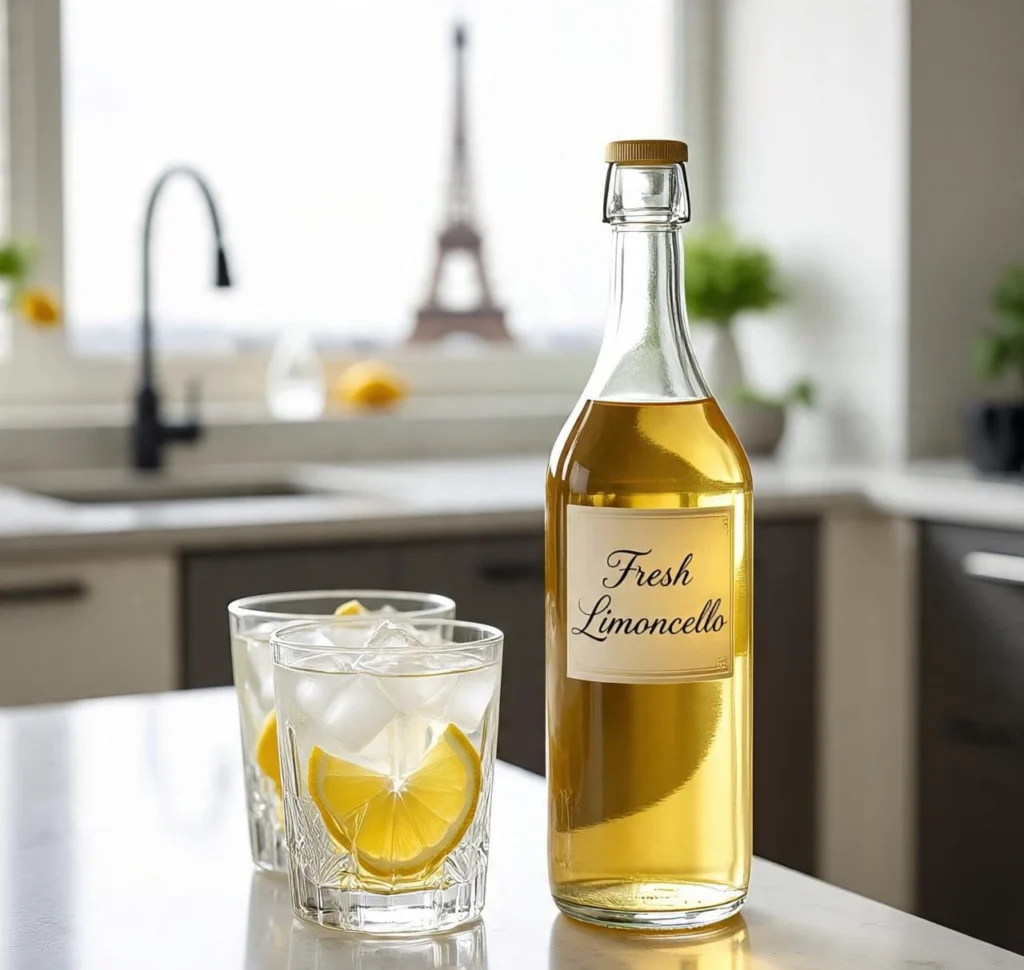
What Ingredients Do You Need for Limoncello?
One of the most common sources of confusion when researching limoncello recipes online is the variation in ingredient ratios. After reviewing multiple recipes and sources, here is a reliable baseline:
Core Ingredients:
- 8–15 organic lemons (quantity scales with the proof of your alcohol—see table below)
- 1 liter high-proof grain alcohol (Everclear 151-proof recommended) or vodka
- Simple syrup (water + sugar — ratio depends on alcohol proof)
Why organic lemons? Non-organic lemons are typically coated in food-grade wax, which inhibits essential oil extraction. More importantly, alcohol pulls everything from the peel—including pesticides and insecticides. Always use organic, unwaxed lemons.
Alcohol Options: Which Should You Use?
| Alcohol | Proof | ABV | Lemons Needed | Notes |
| Everclear (recommended) | 151 | 75.5% | 10–15 | Best flavor extraction; ideal balance |
| Everclear | 190 | 95% | 8–10 | Very strong; reduce sugar slightly |
| Vodka (high-proof) | 100 | 50% | 10–12 | Good substitute; slightly less intense |
| Vodka (standard) | 80 | 40% | 8–10 | Works, but needs less syrup; milder result |
A note on 190-proof Everclear: It’s banned or restricted in several U.S. states. Check local laws before purchasing.
Step 1: How Do You Prepare the Lemons Without Making It Bitter?
This is the single most important step. Bitterness in limoncello almost always comes from one source: the white pith beneath the yellow zest.
How to zest lemons correctly:
- Use a sharp Y-peeler or vegetable peeler for wide strips, or a microplane for fine zest
- Peel only the outermost yellow layer, no white visible on the back of the peel
- Trim any residual white patches with a paring knife
- Work slowly; rushing this step is the #1 cause of bitter limoncello
Cleaning your lemons:
- Organic: Scrub gently under warm water with a vegetable brush
- Non-organic (not recommended): Soak in warm water with 1–2 tsp baking soda, then rinse thoroughly
What to do with the leftover lemons? Juice them and use the juice for lemonade, salad dressings, lemon curd, or pasta dishes. None of that citrus goes to waste.
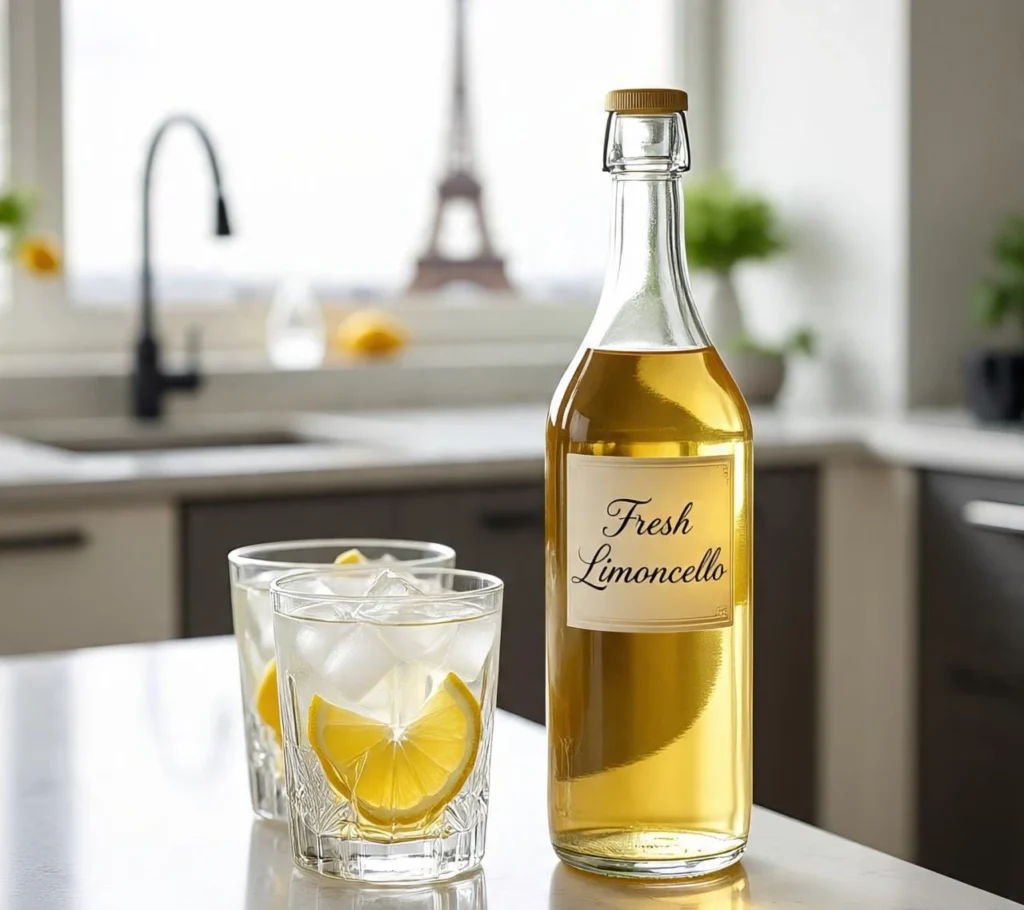
Step 2: How Long Should You Steep Limoncello?
Here is where competitors disagree most, and where most home brewers make mistakes. The infusion window matters a great deal.
| Infusion Time | Result |
| 4–7 days | Light color, mild lemon flavor |
| 7–14 days | Good baseline; recommended for faster results |
| 20–30 days | Deeply golden, bold and aromatic (most common traditional method) |
| 60–90 days | Extremely smooth and mellow; the traditional slow method |
Key rules during steeping:
- Store the jar in a cool, dark place , a cupboard away from direct sunlight works perfectly
- Shake or stir every few days to redistribute the oils
- The liquid will gradually deepen to a rich, golden yellow as the essential oils are released
Content gap most recipes miss: Extended steeping beyond 30 days (especially using grain alcohol) significantly mellows the harshness and produces a smoother final product. One to three months is considered traditional in many southern Italian homes. If you have the time, patience genuinely pays off here.
Step 3: What Is the Right Simple Syrup Ratio?
The syrup is where you control sweetness, alcohol strength, and final volume. Get this wrong and your limoncello will be either cloyingly sweet or too strong to enjoy.
A standard 1:1 ratio (equal parts water and sugar) is the safest starting point. Adjust from there based on your taste and the proof of alcohol used.
Simple Syrup Guidelines by Alcohol Type:
| Alcohol Used | Water | Sugar | Notes |
| 151-proof Everclear (1L) | 5–5.5 cups | 5–5.5 cups | Balances the high ABV well |
| 95% grain alcohol (1L) | ~4.6 cups (1.1L) | ~2.4 lbs (1.1kg) | Higher sugar needed; more total volume |
| 100-proof vodka (750ml) | ~2 cups | ~2 cups | Less syrup needed |
| 80-proof vodka (750ml) | ~1 cup | ~1 cup | Minimal syrup; very light result |
How to make simple syrup:
- Combine water and sugar in a saucepan over medium heat
- Stir until sugar fully dissolves, do not boil aggressively
- Remove from heat once you see small bubbles form (before a full rolling boil)
- Let it cool to warm (not room temperature) before adding the infused alcohol — the residual warmth helps emulsification and produces the characteristic golden hue
Content gap competitors miss: Most recipes skip the ABV math entirely. To prevent your limoncello from freezing in the freezer, the final ABV must stay above 30%. Using the formula: Final ABV = volume of pure alcohol ÷ total liquid volume × 100. If you’re adding too much water, you risk a slushy, poorly preserved batch.
Step 4: How Do You Strain and Bottle Limoncello?
Once the infusion is complete, straining removes the spent lemon peels and any particulate.
Straining options (from basic to best clarity):
- Fine mesh strainer , quick, but leaves some cloudiness
- Fine mesh + cheesecloth or muslin (double layer) — much clearer
- Coffee filter — the clearest result, but very slow; stir occasionally to keep it moving
- Nut milk bag — fast and effective alternative to cheesecloth
On cloudiness: A milky haze in your limoncello is actually desirable. Called the louche effect (or the “ouzo effect”), it occurs when essential oils from the lemon peel form an emulsion with the water. This is a sign of quality oil extraction. Limoncello made with lower-proof vodka tends to stay clearer, but that doesn’t mean it’s better.
Bottling tips:
- Use a small funnel and airtight glass bottles (swing-top bottles work perfectly)
- Label each bottle with the date and alcohol used
- A one-gallon glass jar is ideal for combining everything before bottling
How Should You Store Limoncello, and How Long Does It Last?
Proper storage preserves both flavor and safety.
| Storage Method | Shelf Life | Notes |
| Freezer | 1–2+ years | Best option; won’t freeze if ABV is above 30% |
| Refrigerator | Up to 1 year | Good for bottles in active use |
| Cool, dark pantry | Up to 3–6 months | Only suitable for high-proof batches |
Content gap competitors miss: Most recipes tell you where to store limoncello, but not why it can freeze. If your final ABV drops below 30%—due to too much water in the syrup—the limoncello can freeze solid. Fix this by reducing your water volume or using higher-proof alcohol from the start.
Always discard limoncello if it smells off, tastes unusually bitter, or shows any visible mold.
What Are the Best Ways to Serve and Use Limoncello?
Limoncello is far more versatile than most people realize.
Serving suggestions:
- As a digestif — serve neat, ice-cold, in a chilled small glass directly from the freezer
- Limoncello spritz — 2 oz limoncello + 4 oz prosecco + 2 oz sparkling water, garnished with a lemon slice
- Limoncello martini — 2 oz limoncello + 1 oz vodka + ice, shaken and strained
- On ice cream — drizzle over vanilla gelato for an instant Italian dessert
- In baking — add to tiramisu, panna cotta, or lemon tart fillings
- As a gift — bottle in swing-top glass bottles, label, and refrigerate until gifting
Common Mistakes to Avoid
Most batches that fail come down to a small number of preventable errors:
- Including white pith — the most common cause of bitterness; take your time peeling
- Using low-quality or non-organic lemons — wax coatings and chemicals affect flavor
- Adding hot syrup to the alcohol — always cool the syrup before combining
- Too much water in the syrup — risks a batch that freezes and loses intensity
- Rushing the infusion — 7 days is a minimum; 20–30 days delivers far more depth
- Sealing the jar improperly — oxygen exposure degrades the infusion over time
Limoncello Variations Worth Trying
Once you’ve mastered the classic recipe, these variations are worth exploring:
- Meyer lemon limoncello — Meyer lemons are sweeter and less acidic; reduce sugar by roughly 25%
- Clementinecello (Clemencello) — Use clementine zest instead of lemon; collect zest daily as you eat them
- Orangecello — Follow the exact same method using navel orange peels
- Limecello — Use Persian limes for a sharper, more tropical profile
- Low-sugar limoncello — Substitute granulated sugar with a keto-friendly sweetener like erythritol; the result will be slightly less viscous but still flavorful
Frequently Asked Questions
Why did my limoncello turn out too sweet?
The most likely cause is using alcohol with a lower proof than the recipe requires. Lower-proof vodka (80-proof) delivers less alcohol flavor to balance the sugar, making the sweetness dominate. Use the syrup ratios in the table above matched to your specific alcohol, or simply reduce the sugar quantity and taste as you go.
Why is my limoncello cloudy, and is that normal?
Yes—cloudiness in homemade limoncello is a positive sign. Known as the louche effect, it occurs when lemon peel essential oils emulsify with water when the syrup is added. This indicates successful oil extraction. If you prefer a crystal-clear result, strain through a coffee filter or nut milk bag.
Can I speed up the infusion to less than a week?
Technically yes—some recipes achieve drinkable results in 7 days. However, flavor depth, smoothness, and color intensity all improve substantially with longer steeping. A 20–30 day infusion produces a noticeably rounder, more complex limoncello compared to a rapid 7-day batch.
Does limoncello go bad?
Limoncello stored in the freezer or refrigerator has a shelf life of 1–2 years, largely due to its high alcohol and sugar content, which act as natural preservatives. Discard it if you notice an off smell, excessive bitterness, or visible mold. Room-temperature storage shortens this window to 3–6 months for high-proof batches.
Is 190-proof Everclear better than 151-proof for limoncello?
Higher proof extracts essential oils more efficiently and produces a stronger infusion. However, 151-proof Everclear is widely considered the sweet spot, it extracts flavor effectively without producing an overly harsh result, and it’s legal in more U.S. states than 190-proof, which is restricted or banned in California, Florida, Virginia, and others.
Make It, Share It, Savor It
Homemade limoncello rewards patience. The zesting, the waiting, the careful syrup work—every step contributes to a result that’s brighter, cleaner, and more personal than anything store-bought. Make a large batch, bottle it in swing-top glass bottles, and you have a drink worth sharing and a gift worth giving.
Start with quality organic lemons, choose your alcohol wisely, give it time, and the rest falls into place.
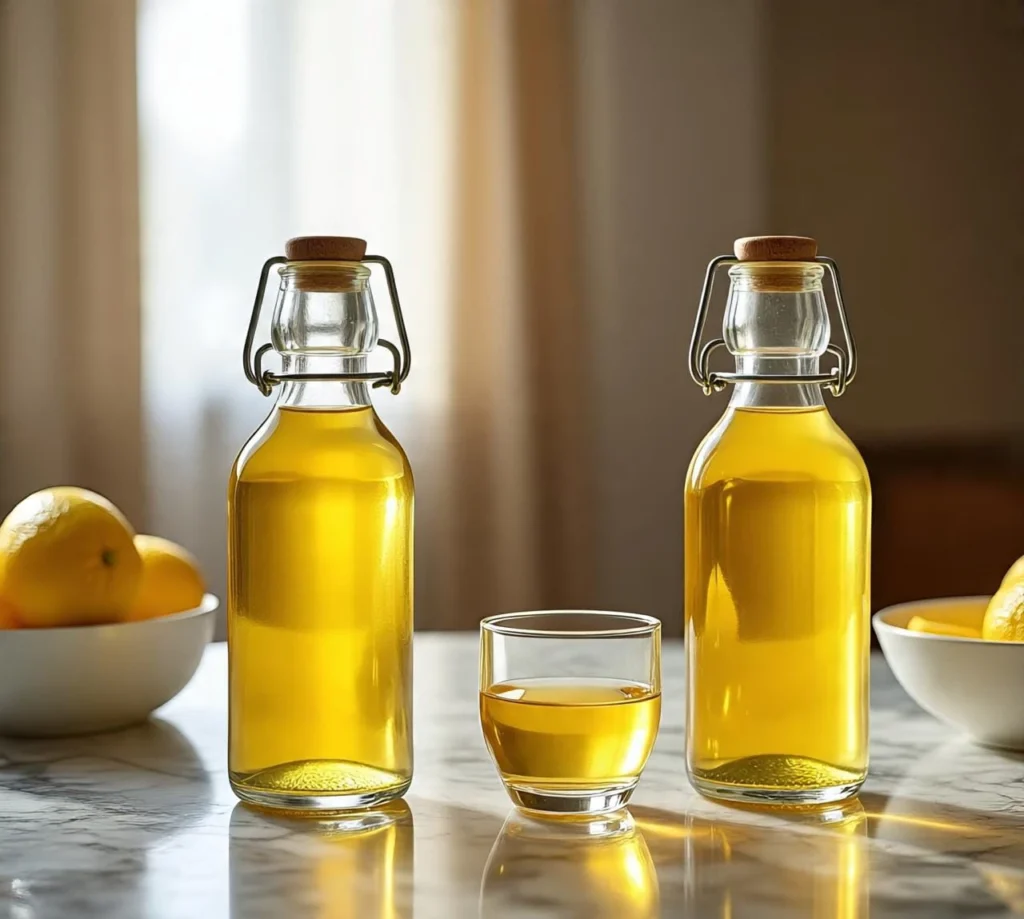

The Secret to Smooth Homemade Limoncello (Easy Recipe)
Ingredients
Instructions
-
Wash the lemons
Scrub organic lemons under warm water with a vegetable brush to remove any dirt or residue. Dry completely. -
Peel the lemons
Use a vegetable peeler or microplane to remove only the yellow zest. Avoid the white pith underneath, as it causes bitterness. -
Place the peels in alcohol
Add the lemon peels to a large glass jar and pour in the high-proof grain alcohol or vodka.
-
Seal and store the jar
Seal and store the jar tightly in a cool, dark place such as a cupboard. -
Infuse the lemon peels
Let the lemon peels steep for 7–30 days, shaking the jar gently every few days until the liquid turns deep yellow. -
Prepare the simple syrup
Prepare the simple syrup by combining water and sugar in a saucepan over medium heat and stirring until the sugar fully dissolves and small bubbles appear. -
Cool the syrup
Remove the syrup from heat and allow it to cool until warm. -
Strain the infused alcohol
Strain the infused alcohol through a fine mesh strainer, cheesecloth, or coffee filter to remove the lemon peels. -
Combine alcohol and syrup
Mix the strained lemon-infused alcohol with the cooled simple syrup in a large container and stir well to combine. -
Bottle the limoncello
Use a funnel to transfer the finished limoncello into clean, airtight glass bottles. -
Chill before serving
Store the bottles in the freezer or refrigerator for several hours before serving. -
Serve ice-cold
Serve the limoncello ice-cold in small chilled glasses as a digestif after meals.