How to Make a Lemon Drop Cocktail (Better Than the Bar!)

The Lemon Drop cocktail is a vibrant, sweet-tart drink that perfectly balances premium vodka, orange liqueur, and fresh citrus. Known for its signature sugar-coated rim and refreshing flavor profile, this classic 1970s invention remains a highly popular choice for happy hours, summer parties, and elegant dinners.
How Do You Make a Lemon Drop?
If you want to mix this cocktail right away, follow these simple steps:
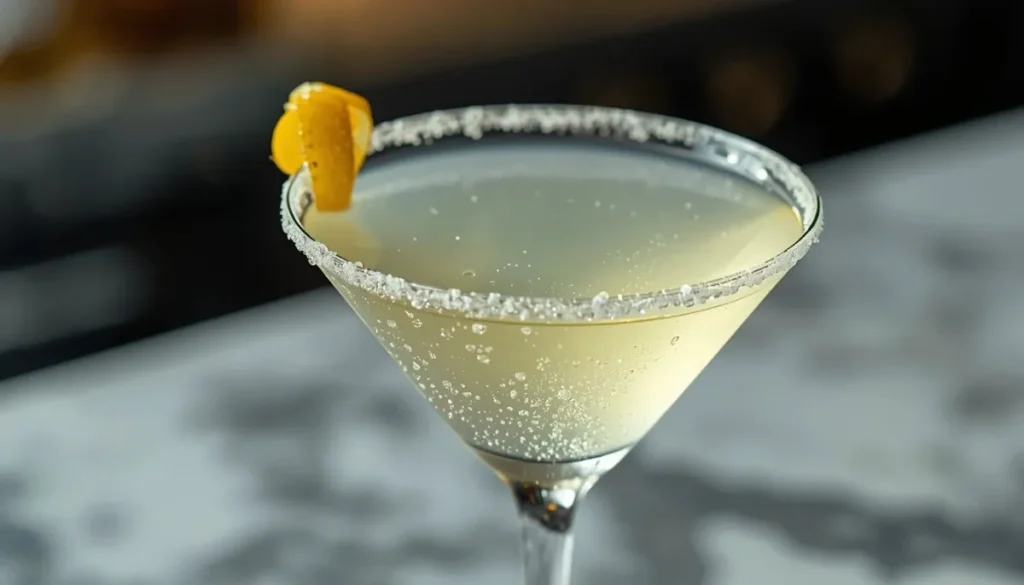
- Prep the glass: Rub a lemon wedge along the rim of a martini glass and dip it into granulated sugar.
- Combine ingredients: Pour 2 ounces of vodka, 3/4 ounce of orange liqueur, 1 ounce of fresh lemon juice, and 3/4 ounce of simple syrup into a cocktail shaker.
- Add ice and shake: Fill the shaker with ice and shake vigorously for 30 seconds.
- Strain and serve: Strain the liquid into your sugar-rimmed glass and garnish with a twisted lemon peel.
Where Did the Lemon Drop Cocktail Originate?
Long before craft cocktail lounges took over city corners, there was the "fern bar." In the 1970s, an out-of-work Vietnam veteran named Norman Jay Hobday opened Henry Africa's in San Francisco. He decorated the space with lush ferns and Tiffany lamps, creating a welcoming environment that contrasted sharply with the dark, gritty saloons of the era.
It was inside Henry Africa's that the Lemon Drop was born. Hobday wanted to create a drink that appealed to a new generation of bar-goers looking for something palatable, sweet, and visually appealing. He succeeded brilliantly. The sweet-tart combination mimics the nostalgic flavor of hard lemon candies, while the elegant presentation makes it feel sophisticated. Decades later, Oprah famously served the drink to Rachael Ray on national television, cementing its status as a permanent fixture in modern cocktail culture.
What Ingredients Do You Need for a Lemon Drop?
Creating a memorable cocktail requires high-quality components. Because this drink relies on just a few elements, every single ingredient matters.
| Recipe Overview | Details |
| Prep Time | 5 Minutes |
| Servings | 1 Cocktail |
| Average Calories | 175 kcal |
| Alcohol Content | ~15-20% ABV |
Choosing the Right Vodka
Competitor recipes often just say "use vodka," but your choice of spirit heavily influences the final taste. Here are three excellent tiers to consider:
- Budget-Friendly: Tito's Handmade Vodka offers a clean, neutral base that allows the citrus to shine without breaking the bank.
- Mid-Range: Ketel One provides a slight crispness and a incredibly smooth finish, making it a favorite among professional bartenders.
- Premium: Grey Goose Le Citron is infused with essential oils from French lemons. Using a citrus-flavored vodka amplifies the lemon profile and creates a beautifully fragrant cocktail.
Triple Sec vs. Cointreau
Most standard recipes call for triple sec, which is a generic term for sweet, clear orange liqueur. However, upgrading to Cointreau will drastically improve your drink. Cointreau brings a higher alcohol content and a much cleaner, more natural bitter-orange flavor than cheaper, syrupy alternatives.
Fresh Lemon Juice and Simple Syrup
Never use bottled lemon juice for this cocktail. Bottled juice contains preservatives that flatten the flavor and leave a metallic aftertaste. Squeeze your lemons fresh just before mixing. To balance the bright acidity of the citrus, you will need simple syrup. You can easily make this at home by dissolving equal parts white sugar and hot water, then letting it cool.
What Bar Tools Make the Best Lemon Drop?
You do not need a professional bar setup, but having a few specific tools will make the process smoother and the final result much better.
- Cocktail Shaker: A standard Boston shaker or a three-piece cobbler shaker works perfectly. You need plenty of room for the ice to move around.
- Jigger: Precision is crucial for balanced cocktails. A double-sided jigger ensures you measure your spirits and juices accurately.
- Fine Mesh Strainer: Fresh lemon juice contains pulp and small seeds. Pouring the drink through a fine mesh strainer (a technique called "double straining") guarantees a silky smooth texture.
- Channel Knife or Vegetable Peeler: To create a beautiful, spiraled lemon twist for your garnish, a channel knife is the best tool for the job.

How Do You Make a Perfect Lemon Sugar Rim?
Many people skip the sugared rim to save time, but it is a critical part of the Lemon Drop experience. The sugar provides a necessary burst of sweetness right before the tart liquid hits your palate.
To elevate the rim beyond plain white sugar, make a quick lemon sugar. Zest half of a lemon onto a small plate of granulated sugar. Use your fingertips to rub the zest into the sugar until it turns pale yellow and smells highly fragrant. The oils from the lemon peel infuse the sugar, creating a complex, aromatic rim that plain sugar simply cannot match. Swipe a lemon wedge around the edge of your chilled glass, then roll the edge through your infused sugar.
How to Make a Lemon Drop Cocktail?
Follow these detailed steps to mix the ultimate version of this classic drink.
- Prepare the glass: Chill a martini or coupe glass in the freezer for ten minutes. Apply your lemon-infused sugar rim and set the glass aside.
- Measure the ingredients: Into your cocktail shaker, pour 2 ounces of vodka, 3/4 ounce of Cointreau or high-quality triple sec, 1 ounce of freshly squeezed lemon juice, and 3/4 ounce of simple syrup.
- Fill with ice and shake: Fill the shaker three-quarters of the way with solid ice cubes. Seal the shaker tightly.
- The 30-Second Shake: Shake vigorously for a full 30 seconds.
- Strain and garnish: Use a Hawthorne strainer and a fine mesh strainer to double-strain the liquid into your prepared glass. Express the oils of a lemon peel over the top of the drink, drop the peel in, and serve immediately.
The Science Behind the 30-Second Shake
Why shake for a full 30 seconds? Shaking a cocktail does three distinct things: it chills the liquid, it dilutes the alcohol, and it aerates the drink. Citrus juices need heavy aeration to soften their sharp acidic bite. Vigorously shaking forces tiny air bubbles into the liquid, giving the cocktail a cloudy, frothy appearance and a delightfully soft texture on the tongue.
How Can You Customize a Lemon Drop?
Once you master the classic recipe, you can easily tweak the ingredients to match different seasons or dietary preferences.
Raspberry Lemon Drop
Add five fresh raspberries to your cocktail shaker before adding the liquid ingredients. Use a muddler to crush the berries, releasing their juices. Add your vodka, lemon juice, orange liqueur, and simple syrup, then shake with ice. Double-straining is highly important here to keep the raspberry seeds out of your glass.
Lavender Lemon Drop
Swap out the traditional simple syrup for a homemade lavender syrup. Boil water and sugar with two tablespoons of dried culinary lavender. Let it steep for twenty minutes, strain out the flowers, and use the floral syrup to give your cocktail a bright, springtime flavor.
Keto and Low-Carb Lemon Drop
If you want to avoid excess sugar, you can still enjoy this cocktail. Replace the simple syrup with a liquid monk fruit sweetener or an agave nectar alternative. For the rim, use granulated monk fruit sweetener instead of regular sugar. This significantly drops the calorie and carbohydrate count while maintaining the sweet-tart balance.
How Do You Serve Lemon Drops to a Crowd?
Mixing individual cocktails during a party keeps you stuck behind the bar. Fortunately, this recipe scales up beautifully for pitcher service.
Batching Ratio for 10 People
When batching cocktails in advance, you skip the shaking process. Because shaking adds essential water dilution from the melting ice, you must manually add water to your pitcher so the drinks do not taste overwhelmingly strong.
| Ingredient | Amount for 10 Servings |
| Vodka | 20 ounces (2.5 cups) |
| Triple Sec / Cointreau | 7.5 ounces (approx. 1 cup) |
| Fresh Lemon Juice | 10 ounces (1.25 cups) |
| Simple Syrup | 7.5 ounces (approx. 1 cup) |
| Filtered Water | 5 ounces |
Mix all the ingredients in a large pitcher and store it in the refrigerator. When your guests arrive, pour the chilled mixture directly into sugar-rimmed glasses.
What Food Pairs Well with This Drink?
The bright acidity and clean finish of this cocktail cut through rich, salty, and savory foods. Serve it alongside fresh seafood like raw oysters, shrimp cocktail, or seared scallops. It also pairs wonderfully with light appetizers, such as goat cheese crostini drizzled with honey, or classic bruschetta.
What Are Common Lemon Drop Mistakes?
Even with simple ingredients, small missteps can throw off the entire drink.
Confusing the Martini with the Shot:
A Lemon Drop shot is designed to be consumed quickly. It usually omits the orange liqueur entirely, relying only on vodka, lemon juice, and sugar, followed by biting into a lemon wedge. The cocktail version is meant to be sipped slowly and requires the orange liqueur for complexity.
The Drink is Too Sour:
Lemons vary wildly in their acidity depending on the season and the specific variety. If your finished drink makes you pucker too much, stir in an extra quarter-ounce of simple syrup.
The Drink is Watery:
If your cocktail tastes weak, you likely used crushed ice in your shaker instead of large, solid cubes. Crushed ice melts far too quickly during a vigorous shake, over-diluting the spirit. Always use the largest, coldest ice cubes available when shaking.
5 Data-Driven Lemon Drop FAQs
How many calories are in a standard Lemon Drop cocktail?
A standard recipe contains approximately 175 to 200 calories per serving. This number fluctuates based on the exact amount of simple syrup used and how thickly you coat the rim with sugar.
How long does a batched Lemon Drop last in the fridge?
You should consume a pre-batched pitcher within 24 to 48 hours. Fresh lemon juice begins to oxidize and degrade in flavor quickly, losing its bright, crisp notes after two days.
What is the average alcohol by volume (ABV) of this drink?
When properly mixed and diluted through shaking, a Lemon Drop sits at roughly 15% to 20% ABV. This makes it a moderately strong drink, comparable to a standard Margarita.
How popular is the Lemon Drop compared to other cocktails?
Industry search data consistently ranks the Lemon Drop within the top 5 most searched vodka cocktails globally, sitting comfortably alongside the Espresso Martini and the Cosmopolitan.
How much lemon juice does one average lemon yield?
One medium-sized lemon typically yields about 1.5 to 2 ounces of juice. You will usually need one half of a lemon per cocktail, but it is always smart to buy extras just in case they are dry.
Elevate Your Next Cocktail Hour
Mastering the Lemon Drop requires only a few high-quality ingredients, a vigorous shake, and a beautifully sugared rim. By understanding the science behind the preparation and learning how to scale the recipe for a crowd, you can easily bring a touch of 1970s San Francisco charm to your own home. Grab a cocktail shaker, squeeze some fresh lemons, and enjoy this perfectly balanced classic.
- 2 ounces vodka
- ¾ ounce Cointreau
- 1 ounce of fresh lemon juice
- ¾ ounce of simple syrup
- 1 Prepare the glassChill a martini or coupe glass in the freezer for ten minutes. Apply your lemon-infused sugar rim and set the glass aside.
- 2
Measure the ingredients Into your cocktail shaker, pour 2 ounces of vodka, 3/4 ounce of Cointreau or high-quality triple sec, 1 ounce of freshly squeezed lemon juice, and 3/4 ounce of simple syrup.- 3
Fill with ice and shakeFill the shaker three-quarters of the way with solid ice cubes. Seal the shaker tightly.- 4
The 30-Second ShakeShake vigorously for a full 30 seconds.- 5
Strain and garnish Use a Hawthorne strainer and a fine mesh strainer to double-strain the liquid into your prepared glass. Express the oils of a lemon peel over the top of the drink, drop the peel in, and serve immediately. - 2