
The Ultimate Hugo Spritz Recipe: Fresh, Floral, and Bubbly
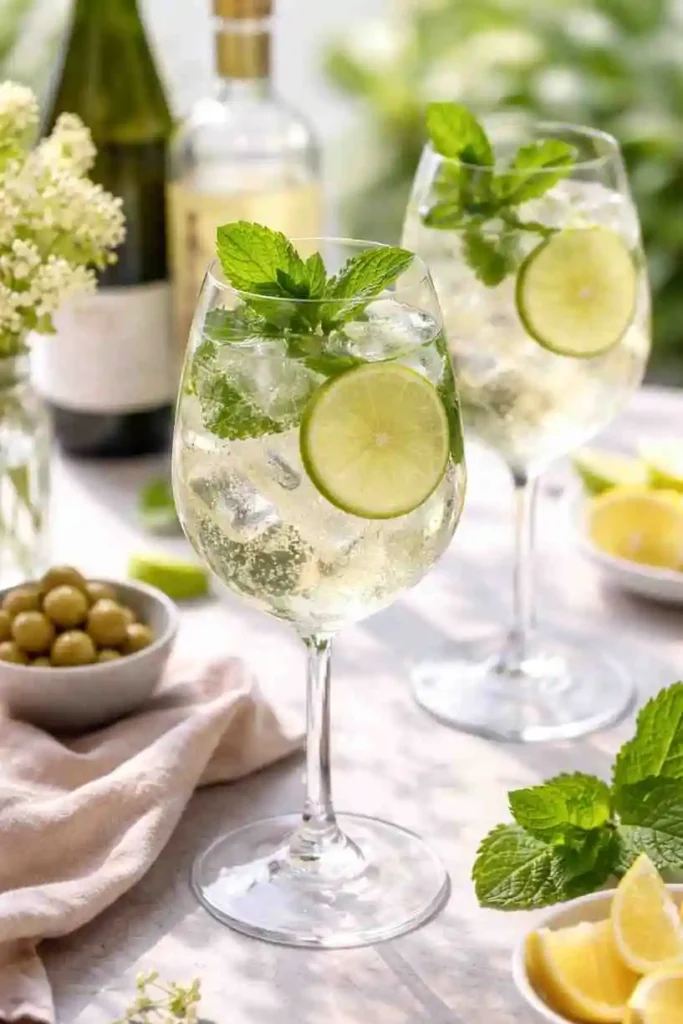
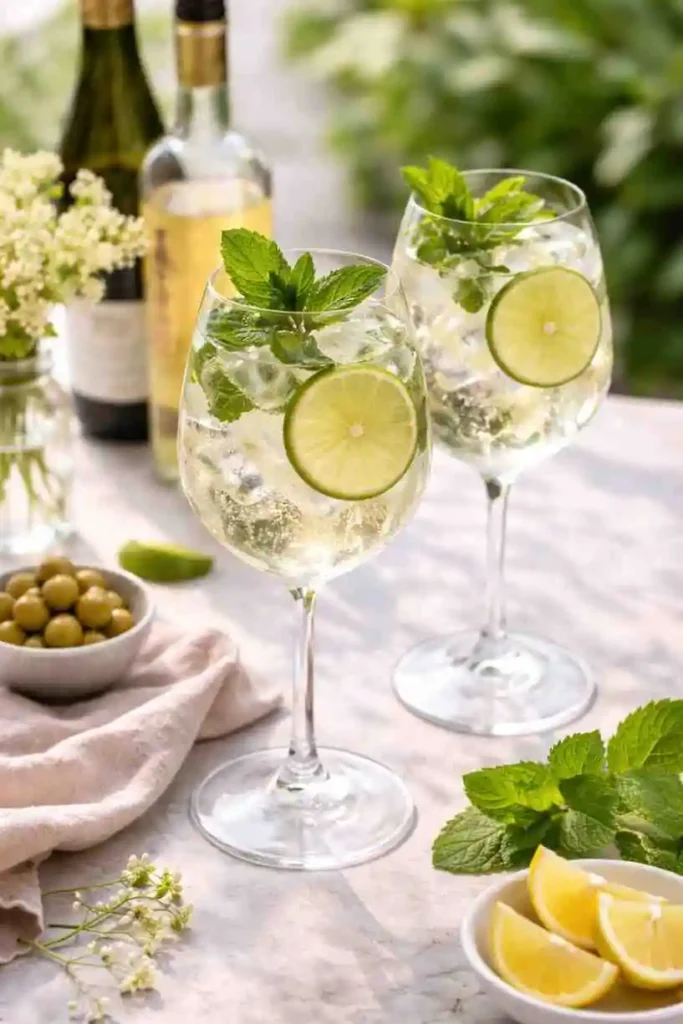
The Hugo Spritz is a refreshing, low-alcohol Italian cocktail blending dry Prosecco, sweet elderflower liqueur, fresh mint, and sparkling water. Known for its crisp, floral flavor profile and bubbly finish, this elegant drink offers a lighter, herbaceous alternative to bitter aperitifs and takes just three minutes to prepare.
How to Make a Hugo Spritz
To make a single serving, fill a large wine glass with ice. Add 1 ounce of elderflower liqueur and a fresh mint sprig that you have gently clapped between your hands. Pour in 4 ounces of chilled Prosecco and 2 ounces of cold club soda. Stir gently to combine, then garnish with a lime wheel and an extra mint sprig.
Spring and summer afternoons call for a drink that cools you down without overwhelming your palate. Enter the Hugo Spritz. As cocktail trends lean heavily toward sessionable, low-alcohol options, this vibrant Italian classic has captured the attention of home bartenders and professional mixologists alike.
While heavy spirits and overly sweet mixers dominated cocktail menus for decades, modern tastes favor balance, effervescence, and herbal notes. The Hugo Spritz delivers exactly that. It relies on the delicate sweetness of elderflower, the aromatic lift of fresh mint, and the crisp bite of sparkling wine to create a deeply refreshing beverage.
If you are hosting a backyard dinner, looking for a pre-dinner aperitif, or simply winding down after a long day, mastering this simple drink will elevate your cocktail repertoire. Read on to learn the history, the exact science of the perfect pour, and how to customize this floral spritz to your exact preferences.
Where Did the Hugo Spritz Originate?
Despite the deep-rooted history of Italian spritz culture, the Hugo Spritz is a relatively modern invention. Bartender Roland Gruber created the drink in 2005 at the San Zeno Bar in Naturno, a small town in the South Tyrol province of Northern Italy.
Gruber originally named his creation the "Otto." His very first iteration used a base of lemon balm cordial, local sparkling wine, and soda water. However, lemon balm syrup proved difficult to source consistently and lacked the distinct aromatic punch he was searching for. Gruber soon swapped the lemon balm for elderflower cordial, a flavor wildly popular in the surrounding Alpine regions, and changed the name to the much catchier "Hugo."
The cocktail quickly migrated across the borders into Austria and Germany before exploding onto the global cocktail scene. Today, it stands as one of the most ordered spritzes in Europe and a staple on cocktail menus worldwide.
Why Choose a Hugo Over Other Spritzes?
When you hear the word "spritz," bright red and orange drinks likely come to mind. Traditional Italian spritzes rely on bitter liqueurs made from rhubarb, cinchona, and bitter herbs. While delicious, those bracingly bitter flavor profiles do not appeal to everyone.
The Hugo Spritz flips the traditional formula. By forgoing the bitter element and using a floral elderflower base, the drink highlights the natural citrus and green apple notes found in Prosecco. The cooling effect of the mint creates a cleaner, more palate-cleansing finish.
Flavor Comparison: Hugo vs. Classic Bitter Spritz
| Feature | Hugo Spritz | Classic Bitter Spritz |
| Primary Flavor | Sweet, floral, herbaceous | Bitter, citrusy, herbal |
| Key Liqueur | Elderflower (St-Germain or cordial) | Aperol or Campari |
| Garnish | Fresh mint and lime/lemon wheel | Orange slice or green olive |
| Best For | Those who prefer light, sweet-tart drinks | Those who enjoy botanical bitterness |
What Ingredients Do You Need for a Hugo Spritz?
A cocktail with only four ingredients leaves no room to hide poor quality. Sourcing the right components is the secret to a bar-quality drink.
- Elderflower Liqueur or Syrup: St-Germain is the most widely recognized elderflower liqueur and provides a perfect balance of sweetness and honeysuckle notes. For a slightly lower ABV or a more budget-friendly approach, a high-quality non-alcoholic elderflower syrup or cordial works beautifully.
- Prosecco: Always opt for a "Brut" (dry) Prosecco. Elderflower liqueur brings plenty of sugar to the glass, so using a sweet or "Extra Dry" sparkling wine will make the final drink cloying. Look for bottles with crisp green apple and pear notes.
- Fresh Mint: The mint provides the crucial aromatic nose. Look for bright, vibrant green leaves without any brown spots.
- Club Soda or Seltzer: You need intense carbonation to lift the heavy liqueur off the bottom of the glass. Choose a high-quality club soda or heavily carbonated sparkling water. Keep it ice cold until the moment you pour.
- Citrus: A wheel of lime or lemon adds a necessary hit of acid to cut through the floral sweetness. Lime offers a punchier contrast, while lemon provides a softer, more traditional citrus note.
How Do You Make the Perfect Hugo Spritz?
The standard spritz ratio is often cited as 3-2-1 (three parts wine, two parts liqueur, one part soda). However, because elderflower liqueur is much sweeter and more concentrated than bitter aperitifs, the Hugo requires a modified 4-1-2 ratio to achieve perfect balance.
Recipe Overview
| Detail | Information |
| Preparation Time | 3 minutes |
| Yield | 1 serving |
| Estimated Calories | 160 kcal |
| Alcohol Content | Low-ABV (approx. 8%) |
Ingredients List
- 1 oz elderflower liqueur (like St-Germain)
- 4 oz Brut Prosecco, thoroughly chilled
- 2 oz club soda or sparkling water, thoroughly chilled
- 1 large sprig of fresh mint (plus extra for garnish)
- 1 lime or lemon wheel
- Ice cubes (preferably large cubes)
Step-by-Step Instructions
- Chill your glassware: Start with a large, stemmed wine glass. Filling it with ice water for a few minutes prior to mixing helps keep the cocktail frosty. Dump the ice water before building your drink.
- Prepare the mint: Strip 6 to 8 leaves off the bottom of your mint sprig. Place them in the palm of your hand and give them a firm clap. This releases the aromatic oils without bruising the delicate leaves. Drop the clapped mint into the bottom of your empty wine glass.
- Add the elderflower: Pour 1 ounce of elderflower liqueur over the mint. Let it sit for 30 to 60 seconds so the mint oils can infuse into the sweet liqueur.
- Ice the glass: Fill the wine glass three-quarters full with fresh, large ice cubes.
- Pour the bubbles: Slowly pour in 4 ounces of cold Prosecco, followed immediately by 2 ounces of cold club soda.
- Stir gently: Slide a bar spoon down the inside of the glass and pull the elderflower liqueur up from the bottom. Give it one or two gentle rotations. Over-stirring will kill the carbonation.
- Garnish and serve: Slide a lime wheel down the side of the glass. Take a fresh, leafy mint sprig, give it a light tap on the back of your hand, and nestle it near the rim so you smell it with every sip.
How Can You Customize Your Hugo Spritz?
Once you understand the basic formula, you can easily tweak the ingredients to suit your dietary needs or flavor preferences.
The Alcohol-Free Hugo (Mocktail)
You can easily enjoy this flavor profile without the alcohol. Swap the elderflower liqueur for 1 ounce of premium elderflower syrup. Replace the Prosecco with 4 ounces of a dry non-alcoholic sparkling wine or dry sparkling apple cider. Keep the club soda and mint exactly the same.
The Gin-Spiked Hugo
If you want a cocktail with a bit more structural backbone, add 0.5 to 1 ounce of a botanical gin (like Hendrick's) into the glass alongside the elderflower liqueur. The juniper and botanicals in the gin pair beautifully with the floral sweetness, creating a stronger, more complex drink.
The Rosé Hugo
Swap the standard white Prosecco for a sparkling Rosé. This adds subtle notes of strawberry and red fruit to the flavor profile and gives the drink a stunning pale pink hue perfect for celebrations.
How Do You Batch a Hugo Spritz for a Crowd?
Mixing individual cocktails during a dinner party keeps you stuck behind the bar. Thankfully, the Hugo Spritz scales up beautifully for pitcher service.
To make a 6-drink pitcher, you will need:
- 6 oz elderflower liqueur
- 1 standard bottle (750ml or ~25 oz) of Brut Prosecco
- 12 oz club soda
- 1 large handful of fresh mint leaves
- 1 lime, thinly sliced
Batching Instructions:
Place the mint leaves and lime slices in the bottom of a large pitcher. Pour the elderflower liqueur over the top and gently press the mint with a wooden spoon to release the oils. When your guests arrive, slowly pour in the chilled Prosecco and club soda.
Crucial tip: Never add ice to the pitcher, as it will dilute the entire batch. Instead, serve the mixed cocktail by pouring it into individual wine glasses filled with fresh ice.
What Are the Best Food Pairings for a Hugo Spritz?
Because this cocktail acts as an aperitif, it pairs flawlessly with salty, savory snacks that contrast its sweet, floral notes. The effervescence of the sparkling wine acts as a palate cleanser for rich, fatty foods.
- Cheese Boards: Soft, creamy cheeses like burrata, fresh mozzarella, or mild goat cheese complement the floral flavors perfectly.
- Cured Meats: Salty prosciutto or thinly sliced salami balance the sweetness of the elderflower.
- Seafood: The citrus notes in the drink make it an excellent match for shrimp cocktail, smoked salmon blinis, or fried calamari.
- Bite-Sized Appetizers: Try serving it alongside tomato and basil bruschetta, marinated green olives, or salty Marcona almonds.
Common Hugo Spritz Mistakes to Avoid
Even with a simple recipe, a few technical errors can hold your drink back from perfection.
Muddling the Mint Too Hard
Aggressively crushing mint with a muddler tears the plant veins, releasing chlorophyll and bitter tannins into your drink. You only need to gently press or "clap" the mint to release the pleasant aromatic oils.
Using Warm Ingredients
Carbonation escapes much faster in warm liquids. If your Prosecco and soda water are room temperature, your spritz will taste flat and overly sweet within minutes. Keep your bubbly ingredients in the refrigerator until the exact second you need them.
Pouring the Soda First
Always add the heaviest ingredient (the liqueur) first, followed by the wine, and finish with the highly carbonated soda water. The aggressive bubbles of the soda will help naturally mix the drink as they rise to the top, requiring less stirring on your part.
A Perfect Toast to Any Season
While heavily associated with summer patios and Italian coastlines, the crisp, botanical nature of the Hugo Spritz makes it a versatile choice year-round. Its relatively low alcohol content allows you to enjoy a glass or two without feeling weighed down, and its stunning presentation instantly elevates any gathering. Grab a bottle of Prosecco, pluck some fresh mint, and experience this floral masterpiece for yourself.
Frequently Asked Questions
How many calories are in a Hugo Spritz?
A standard Hugo Spritz contains approximately 150 to 170 calories, depending heavily on the brand of Prosecco and elderflower liqueur used. The bulk of the calories comes from the sugar content in the elderflower liqueur and the alcohol in the sparkling wine.
Why is the Hugo Spritz suddenly so popular?
The drink has experienced a massive resurgence thanks to social media. Videos featuring the cocktail have amassed nearly 290 million views on TikTok, driven by its highly aesthetic presentation, refreshing flavor, and the broader consumer trend toward lower-ABV, sessionable cocktails.
What is the ideal ratio for a Hugo Spritz?
While classic bitter spritzes use a 3-2-1 ratio (wine to liqueur to soda), the ideal Hugo Spritz relies on a 4-1-2 ratio (4 parts Prosecco, 1 part elderflower liqueur, 2 parts soda water). Because elderflower is much sweeter than Aperol or Campari, you must reduce the liqueur volume and increase the wine and soda to maintain a crisp, refreshing balance.
What is the ABV (Alcohol by Volume) of a Hugo Spritz?
A properly measured Hugo Spritz typically sits between 8% and 10% ABV. St-Germain is 20% ABV, and most Prosecco sits around 11%. When mixed with non-alcoholic club soda and diluted slightly by ice, the resulting cocktail is remarkably light, making it an ideal daytime or pre-dinner drink.
Can I make a Hugo Spritz ahead of time and store it?
No. Because the cocktail relies entirely on the carbonation of the Prosecco and the club soda, storing it in the fridge will result in a flat, syrupy beverage. You can pre-measure your elderflower liqueur and prepare your mint garnishes ahead of time, but you should only pop the bubbly ingredients right before serving.
- 1 oz elderflower liqueur (like St-Germain)
- 4 oz Brut Prosecco, thoroughly chilled
- 2 oz club soda or sparkling water, thoroughly chilled
- 1 large sprig of fresh mint (plus extra for garnish)
- 1 lime or lemon wheel
- Ice cubes (preferably large cubes)
- 1 Chill your glassware Start with a large, stemmed wine glass. Filling it with ice water for a few minutes prior to mixing helps keep the cocktail frosty. Dump the ice water before building your drink.
- 2
Prepare the mint Strip 6 to 8 leaves off the bottom of your mint sprig. Place them in the palm of your hand and give them a firm clap. This releases the aromatic oils without bruising the delicate leaves. Drop the clapped mint into the bottom of your empty wine glass.- 3
Add the elderflowerPour 1 ounce of elderflower liqueur over the mint. Let it sit for 30 to 60 seconds so the mint oils can infuse into the sweet liqueur.- 4
Ice the glassFill the wine glass three-quarters full with fresh, large ice cubes.- 5
Pour the bubbles Slowly pour in 4 ounces of cold Prosecco, followed immediately by 2 ounces of cold club soda.- 6
Stir gently Slide a bar spoon down the inside of the glass and pull the elderflower liqueur up from the bottom. Give it one or two gentle rotations. Over-stirring will kill the carbonation.- 7
Garnish and serveSlide a lime wheel down the side of the glass. Take a fresh, leafy mint sprig, give it a light tap on the back of your hand, and nestle it near the rim so you smell it with every sip. - 2