
Why Is Your Thai Green Tea Bitter? Make This Creamy Thai Tea Instead

Green Thai tea is a vibrant, floral beverage combining jasmine-scented green tea leaves with sweet milk or tangy lime. Popularized in Thailand's northern tea regions, this iced drink offers a creamy, earthy flavor profile that provides the perfect refreshing escape from warm weather.
How Do You Make Green Thai Tea?
To make green Thai tea quickly, steep 3 tablespoons of authentic Thai green tea mix in 2 cups of hot water (about 200°F) for 5 minutes. Filter the loose leaves using a fine-mesh strainer or tea sock. While the tea remains warm, stir in 3 tablespoons of sweetened condensed milk and 1 tablespoon of sugar until fully dissolved. Pour the sweet tea over a tall glass of crushed ice, and finish by drizzling 2 tablespoons of evaporated milk over the top for a rich, creamy texture.
Your favorite neighborhood boba shop likely charges a premium for this brilliantly colored beverage. Creating it in your own kitchen allows you to completely control the sweetness, experiment with different milk alternatives, and enjoy a cafe-quality drink for a fraction of the cost. This comprehensive guide provides everything you need to master this beloved Thai classic at home, from selecting the right tea leaves to troubleshooting common brewing mistakes.
What Is Green Thai Tea?
Green Thai tea, known locally as Cha Khiao Yen, is a uniquely fragrant twist on the country's world-famous tea culture. While many people are familiar with the bright orange beverage served at local takeout spots, the green version offers a remarkably different drinking experience.
The Core Ingredients and Flavor Profile
At its foundation, this drink utilizes green tea leaves—often a robust Assam variety—heavily scented with jasmine and sometimes pandan or vanilla. The result is a highly floral, earthy brew that feels slightly lighter on the palate than its black tea counterpart. The tea leaves are typically roasted with a small amount of food coloring, which gives the final drink its signature emerald hue.
Green Thai Tea vs. Traditional Thai Iced Tea
Traditional Thai iced tea (Cha Yen) relies on a strong, spiced black tea base. It carries deep, warm notes of star anise, crushed tamarind, and cardamom. Green Thai tea steps away from those heavy winter spices. Instead, it leans heavily into bright, botanical flavors. The green version feels more delicate, making it an exceptional pairing for spicy curries or heavy noodle dishes that require a palate cleanser.
A Highly Versatile Beverage
You are not limited to drinking this over ice. Served warm, it transforms into a comforting, jasmine-scented milk tea. Furthermore, the base brew is highly adaptable. You can mix it with heavy cream for a decadent dessert drink, or combine it with fresh citrus for a dairy-free thirst quencher.
What Are the Key Ingredients for Authentic Green Thai Tea?
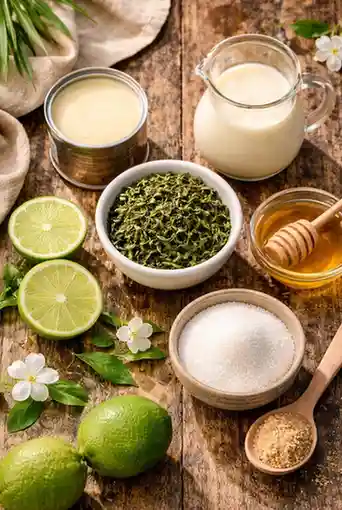
Gathering the right components is the secret to achieving that authentic street-food flavor. Here is exactly what you need to stock your pantry.
- Green Thai Tea Mix: The gold standard is the ChaTraMue (Number One Brand) Green Tea Mix. Cultivated in the mountainous regions of Thailand, this specific blend includes the perfect ratio of Assam green tea, jasmine flavoring, and sugar.
- Sweeteners: Traditional recipes rely on a heavy pour of sweetened condensed milk, which provides both sugar and a syrupy texture. You can also use plain granulated sugar, brown sugar, or honey depending on the variation you choose to make.
- Milks and Creamers: Evaporated milk is traditionally splashed on top to create a cascading, creamy visual effect. For a richer mouthfeel, use half-and-half or heavy cream. For dairy-free alternatives, barista-blend oat milk or full-fat coconut milk offer excellent creaminess without curdling.
- Spices (Optional): While green Thai tea is floral, you can add a subtle layer of complexity by gently crushing a single star anise pod or a green cardamom pod and steeping it with the leaves.
- Other Flavorings: Fresh lime juice and pure honey are essential if you want to skip the dairy and make a tangy, clear version of the drink. A drop of vanilla extract can also enhance the floral notes.
Step-by-Step Guide to Making Green Thai Tea
Creating the perfect cup requires a bit of patience during the steeping process. Follow these numbered steps to achieve a perfectly balanced, creamy beverage.
Recipe Characteristics
| Prep Time | Steep Time | Total Time | Servings | Estimated Calories |
| 5 mins | 5 mins | 10 mins | 2 | 230 kcal per serving |
1. Brewing the Tea
Boil 2 cups of water. Standard green tea usually requires slightly cooler water (around 175°F) to prevent bitterness. However, Thai green tea mixes are robust and can withstand higher temperatures. Aim for water around 200°F. Place 3 to 4 tablespoons of the loose tea mix into a French press, a teapot with a built-in strainer, or a traditional cloth tea sock. Pour the hot water over the leaves and let them steep for exactly 5 minutes. Steeping longer than 7 minutes will extract too many tannins and result in a bitter aftertaste.
2. Filtering the Leaves
Press the plunger down on your French press, or carefully pour the hot liquid through a fine-mesh strainer into a large heat-proof measuring cup. For the smoothest texture, filter the liquid a second time through a paper coffee filter to catch any lingering tea dust.
3. Sweetening the Base
While the filtered tea is still piping hot, add 3 tablespoons of sweetened condensed milk and 1 to 2 tablespoons of sugar. Stir vigorously until the sugars completely dissolve into the hot liquid. Doing this while the tea is hot ensures a smooth, grit-free beverage. Set the mixture aside to cool for at least 15 minutes.
4. Serving and Assembling
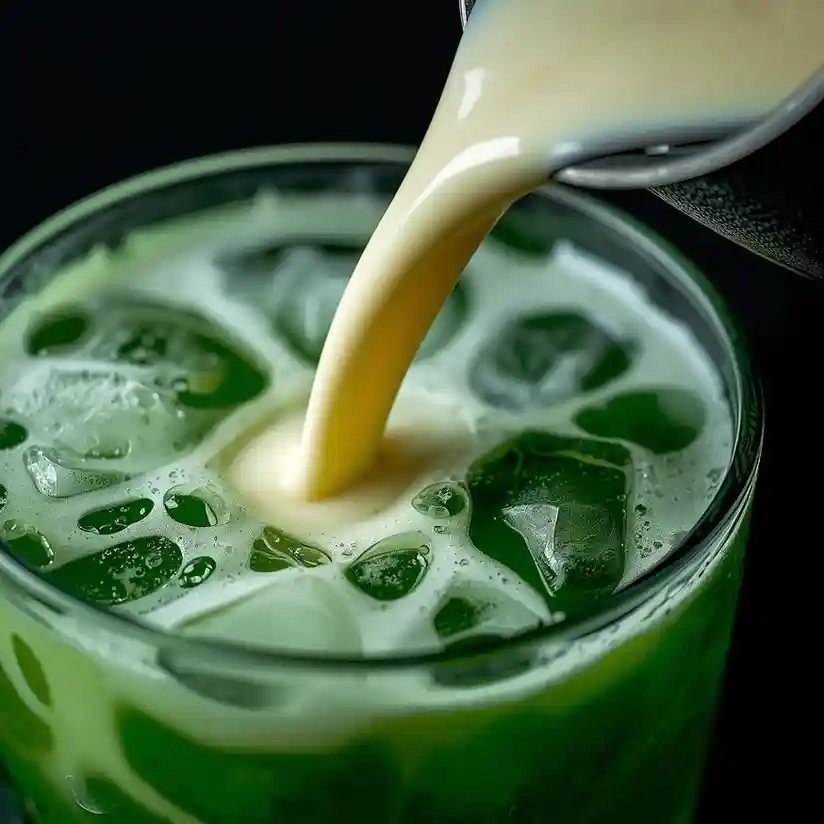
Fill two tall glasses to the brim with crushed ice. Pour the cooled, sweetened tea over the ice, leaving about an inch of space at the top of the glass. Finally, pour 2 tablespoons of evaporated milk (or your chosen dairy-free alternative) directly over the ice. Watch as the milk beautifully cascades down into the emerald tea. Stir well before taking your first sip.
How to Explore Variations of Green Thai Tea
Once you master the traditional creamy recipe, you can easily alter the flavor profile to suit different cravings or dietary needs.
Green Thai Tea with Lime and Honey
If you want a dairy-free, incredibly refreshing drink, this tangy variation is the perfect solution. The acidity of the lime perfectly cuts through the floral jasmine notes.
- The Technique: Steep the tea leaves in hot water for 3 minutes, then filter. In a separate glass, mix 2 tablespoons of hot water with 2 tablespoons of honey until fully dissolved, then stir in 1 tablespoon of fresh lime juice.
- Layering: Pour the honey-lime mixture into the bottom of an ice-filled glass. Gently and slowly pour the brewed green tea over the ice. The difference in liquid density will keep the layers separated until you mix them with your straw.
Matcha Green Thai Tea Fusion
For a powerful caffeine boost and an intense, earthy flavor, combine the floral notes of Thai tea with the grassy depth of Japanese matcha.
- The Technique: Brew and sweeten your green Thai tea as usual. In a separate small bowl, whisk 1 teaspoon of high-quality ceremonial matcha powder with 2 tablespoons of hot water until frothy and clump-free.
- Layering: Pour the sweet Thai tea over ice, leaving room at the top. Gently float the whisked matcha over the top of the beverage for a striking, two-toned green drink.
Professional Tips for the Perfect Beverage
Elevating your homemade tea from good to exceptional comes down to a few small details and kitchen tricks.
Toasting Spices for Depth
If you decide to add optional spices like star anise or cloves, toast them briefly in a dry skillet over medium-low heat. Heating the spices for just two minutes releases their essential oils. Crush them lightly with a rolling pin before tossing them into the hot water with your tea leaves.
The Cold Foam Upgrade
Modern boba shops frequently top their iced teas with a velvety cold foam instead of basic evaporated milk. You can easily replicate this at home. Vigorously whisk 1/4 cup of heavy whipping cream, a splash of milk, and 1 tablespoon of vanilla syrup until the mixture thickens into a pourable, cloud-like foam. Spoon this gently over your iced tea just before serving.
Proper Storage Techniques
Brewed green Thai tea stays remarkably fresh when stored correctly. If you want to prepare a large batch for the week, sweeten the hot tea to your liking, let it cool completely, and store it in an airtight glass pitcher in the refrigerator. It will stay fresh for up to 5 days. Wait to add the evaporated milk or cold foam until the exact moment you are ready to drink it.
What Are the Health Benefits of Green Thai Tea?
Beyond its delicious taste, the base ingredients of this beverage offer several notable health advantages, particularly when prepared without excess sugar.
Rich in Antioxidants
Green tea is globally recognized for its high concentration of polyphenols and catechins. These powerful antioxidants help combat free radicals in the body, which can reduce cellular damage and lower the risk of chronic diseases.
Supports Digestive Health
When you opt for the lime and honey variation, the drink becomes a fantastic digestive aid. Honey acts as a mild prebiotic, supporting healthy gut bacteria, while the acidity of fresh lime juice stimulates digestive enzymes.
Gentle Hydration and Energy
A standard glass of green Thai tea offers a moderate caffeine lift without the severe crash often associated with heavy coffee consumption. The presence of L-theanine in green tea leaves helps promote a state of calm alertness, giving you steady, focused energy throughout the afternoon.
Frequently Asked Questions
Does green Thai tea have caffeine?
Yes, a standard cup of green Thai tea contains between 20 and 30 milligrams of caffeine. This is significantly lower than black Thai milk tea (which averages 40 to 60 milligrams) and a standard cup of brewed coffee (which contains roughly 95 milligrams).
How many calories are in a glass of green Thai tea?
The calorie count fluctuates wildly based on your preparation method. A dairy-free glass sweetened with a modest amount of honey contains around 60 calories. A traditional preparation using heavy sweetened condensed milk and evaporated milk can range from 200 to 450 calories per serving.
How long does brewed green Thai tea last in the fridge?
Freshly brewed, strained green Thai tea will last up to 5 days in the refrigerator when stored in an airtight glass container. For the best flavor and texture, do not add ice or dairy to the pitcher; only add those ingredients to individual glasses right before serving.
Is Thai green tea the same thing as matcha?
No, they are completely different ingredients. Matcha is made from specially shade-grown Japanese green tea leaves that are ground into a fine, dissolvable powder. Thai green tea consists of chopped Assam green tea leaves blended with jasmine flavoring and sugar, which must be steeped and strained before drinking.
What is the ideal ratio of tea mix to water?
For a perfectly balanced, restaurant-quality concentrate, use a ratio of 1.5 tablespoons of loose green Thai tea mix for every 1 cup of hot water. This creates a strong brew that holds up well when diluted by melting ice and thick dairy products.
Master Your Home Cafe Experience
Learning how to make authentic green Thai tea opens up a world of culinary creativity right in your own kitchen. By understanding the steeping process, controlling the quality of your sweeteners, and experimenting with fun variations like lime juice or matcha, you can easily outclass the beverages sold at commercial tea shops.
Grab a bag of quality tea mix, boil some water, and start experimenting with those beautiful, creamy layers today.
- 3 tablespoons Thai green tea mix (jasmine-scented)
- 2 cups hot water (about 200°F)
- 3 tablespoons sweetened condensed milk
- 1–2 tablespoons sugar (adjust to taste)
- 2 tablespoons evaporated milk (for topping)
- 2 cups crushed ice
- 1 Brewing the TeaBoil 2 cups of water. Standard green tea usually requires slightly cooler water (around 175°F) to prevent bitterness. However, Thai green tea mixes are robust and can withstand higher temperatures. Aim for water around 200°F. Place 3 to 4 tablespoons of the loose tea mix into a French press, a teapot with a built-in strainer, or a traditional cloth tea sock. Pour the hot water over the leaves and let them steep for exactly 5 minutes. Steeping longer than 7 minutes will extract too many tannins and result in a bitter aftertaste.
- 2
Filtering the LeavesPress the plunger down on your French press, or carefully pour the hot liquid through a fine-mesh strainer into a large heat-proof measuring cup. For the smoothest texture, filter the liquid a second time through a paper coffee filter to catch any lingering tea dust.- 3
Sweetening the BaseWhile the filtered tea is still piping hot, add 3 tablespoons of sweetened condensed milk and 1 to 2 tablespoons of sugar. Stir vigorously until the sugars completely dissolve into the hot liquid. Doing this while the tea is hot ensures a smooth, grit-free beverage. Set the mixture aside to cool for at least 15 minutes.- 4
Serving and AssemblingFill two tall glasses to the brim with crushed ice. Pour the cooled, sweetened tea over the ice, leaving about an inch of space at the top of the glass. Finally, pour 2 tablespoons of evaporated milk (or your chosen dairy-free alternative) directly over the ice. Watch as the milk beautifully cascades down into the emerald tea. Stir well before taking your first sip. - 2