Mastering the Perfect Bourbon Cocktail Recipe
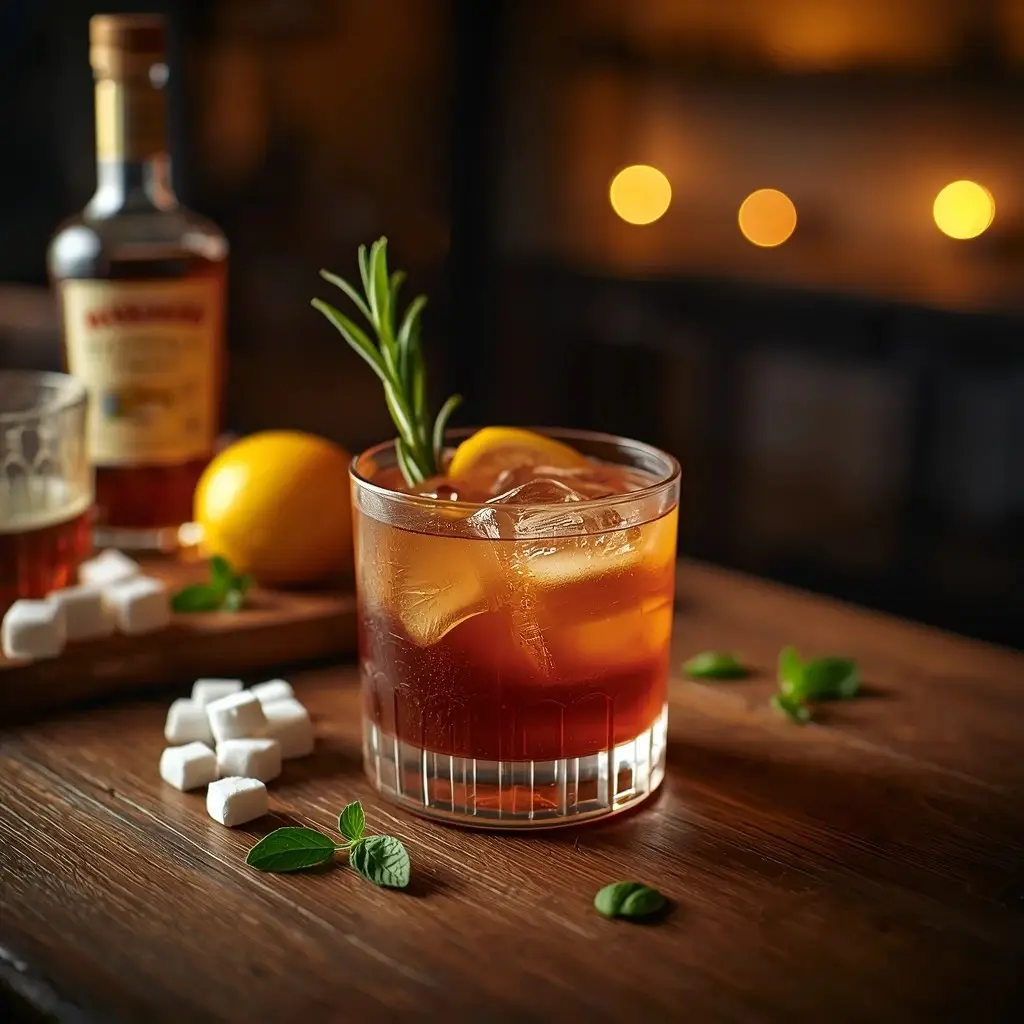
The classic Bourbon Old Fashioned is a sophisticated, spirit-forward cocktail balancing the rich, caramel sweetness of American whiskey with aromatic bitters and a bright citrus expression. It remains globally popular for its timeless simplicity, allowing the complex vanilla and oak notes of the bourbon to shine beautifully.
How to make a classic bourbon cocktail
To make the ultimate Old Fashioned, place a sugar cube in a glass, saturate it with three dashes of Angostura bitters and a splash of water, and muddle until dissolved. Pour in two ounces of high-quality bourbon, add one large ice cube, and stir gently for 30 seconds. Finish by expressing the oil of an orange peel over the drink and dropping it in as a garnish.
What Makes the Perfect Bourbon Cocktail?
American bourbon carries a rich history that dates back to the 18th century. Born in the limestone-rich regions of Kentucky, this native spirit was created by early settlers who began distilling excess corn crops. Over the decades, the process was refined into a strict legal standard: to be called bourbon, the spirit must be made in the United States, contain at least 51% corn in its mash bill, and age in new, charred oak barrels.
This strict aging and distillation process gives bourbon its signature profile. You will typically taste warm notes of vanilla, toasted caramel, baking spices, and a subtle underlying sweetness. Because of this robust, naturally sweet foundation, bourbon serves as an incredibly versatile base for mixed drinks. It stands up to bold modifiers like bitter liqueurs and tart citrus while harmonizing perfectly with simple syrups and fresh herbs.
How Do You Make the Ultimate Classic Old Fashioned?
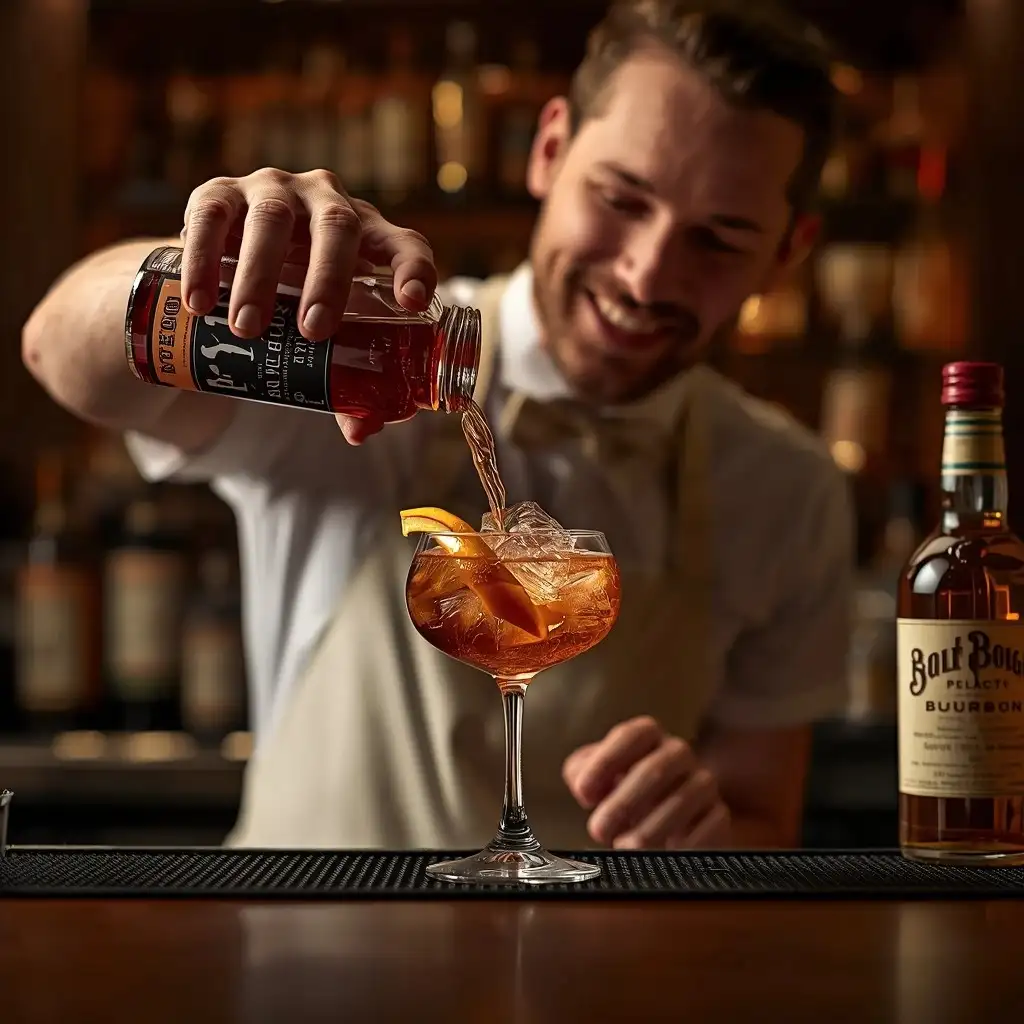
Creating a balanced cocktail requires precision. This recipe highlights the standard bearer of whiskey drinks, ensuring you get the perfect ratio every single time.
Drink Characteristics Summary
| Preparation Time | Servings | Estimated Calories | Flavor Profile |
| 3 minutes | 1 | 155 kcal | Sweet, bitter, spirit-forward |
Ingredients
- 2 oz Kentucky Straight Bourbon (a mid-proof option like 90-proof works best)
- 1 brown sugar cube (or 0.25 oz simple syrup)
- 3 dashes Angostura aromatic bitters
- 1 splash filtered water
- 1 wide strip of fresh orange peel
- 1 Luxardo or Amarena cherry (optional, for garnish)
Step-by-Step Preparation
- Prepare the glass: Place the brown sugar cube into a sturdy rocks glass.
- Saturate and muddle: Add the three dashes of Angostura bitters directly onto the sugar cube, followed by a small splash of water. Crush the sugar cube with a wooden muddler and stir until it forms a gritty paste.
- Add the spirit: Pour the two ounces of bourbon into the glass.
- Chill and dilute: Carefully place one large, clear ice cube into the mixture. Insert a bar spoon down the side of the glass and stir smoothly for about 30 seconds.
- Garnish and serve: Hold the orange peel over the glass, skin-side facing down. Squeeze it gently to release the citrus oils across the surface of the drink. Drop the peel into the glass alongside a premium cocktail cherry, and serve immediately.
Practical Tips for Success
- Ingredient Substitutions: If you lack sugar cubes, use a quarter-ounce of rich simple syrup (2 parts sugar to 1 part water). This speeds up the mixing process and ensures a smoother texture.
- Healthier Variations: For a lower-calorie, refined-sugar-free option, substitute the sugar cube with a bar spoon of pure maple syrup or agave nectar.
- Flavor Adjustments: If you prefer a spicier kick, swap the traditional bourbon for a high-rye bourbon, or add one dash of orange bitters alongside the Angostura.
- Common Preparation Mistakes: Avoid vigorously shaking this drink. Shaking introduces air bubbles and chips the ice, resulting in a cloudy, over-diluted drink. Spirit-only drinks should always be stirred.
Storage and Batching Guidance
If you want to prepare this drink ahead of time for a party, you can batch it. Multiply the liquid ingredients by your number of guests. Because you will not be stirring each drink with ice, you must add 20% filtered water to the batch to account for proper dilution. Store the mixture in an airtight glass bottle in the refrigerator. It will stay fresh for up to a month.
What is the Science Behind Bourbon's Unique Flavor?
Many recipe guides tell you what to mix, but understanding the chemistry of your ingredients elevates you from an amateur to an expert.
Bourbon's flavor begins with the mash bill. The mandatory 51% corn content provides ethanol yield and a distinct baseline sweetness. The secondary grains dictate the cocktail's final direction. Rye introduces spicy, peppery compounds that cut through sweet mixers, making high-rye bourbons ideal for an Old Fashioned. Wheat, conversely, provides a softer, nuttier profile that works beautifully in refreshing, citrus-heavy drinks.
The aging process is where the true magic happens. As the raw spirit expands and contracts within new charred American white oak barrels, it extracts chemical compounds from the wood. Lignin breaks down into vanillin, providing that signature vanilla aroma. The charring process caramelizes the wood sugars, creating the deep amber color and toasted toffee notes.
How Do You Mix Other Essential Classic Bourbon Drinks?
Once you master the Old Fashioned, you can easily expand your repertoire to other historically significant cocktails.
The Manhattan
The Manhattan shifts the sweetness from sugar to fortified wine, creating an earthy, complex profile.
- Ingredients: 2 oz bourbon, 1 oz sweet red vermouth, 2 dashes Angostura bitters.
- Method: Combine all ingredients in a mixing glass with plenty of ice. Stir for 30 seconds to chill. Strain into a chilled coupe glass and garnish with a branded cherry.
The Boulevardier
A robust cousin to the Gin Negroni, this drink utilizes bourbon for a warmer, rounder finish.
- Ingredients: 1.25 oz bourbon, 1 oz Campari, 1 oz sweet vermouth.
- Method: Combine all ingredients in a mixing glass with ice. Stir until properly chilled. Strain over a large ice cube in a rocks glass and garnish with an expressed orange peel.
What Are the Best Seasonal Bourbon Cocktails?
Bourbon transitions beautifully across seasons, adapting to both warm weather fruits and cold weather spices.
The Bourbon Bog (Thanksgiving Special)
This festive drink pairs brilliantly with roasted holiday dinners.
- Ingredients: 1.5 oz bourbon, 1.5 oz unsweetened cranberry juice, 0.5 oz Cointreau, 0.5 oz fresh lemon juice, 0.25 oz simple syrup.
- Method: Shake all ingredients vigorously with ice. Strain into a rocks glass over fresh ice. Top with a splash of lemon-lime soda and garnish with fresh cranberries and a sprig of rosemary.
The Winter Whiskey Sour
A cold-weather spin on a beloved classic.
- Ingredients: 2 oz bourbon, 0.75 oz lemon juice, 0.5 oz simple syrup, 0.5 oz fresh orange juice, 1 egg white (or aquafaba for a vegan option).
- Method: "Dry shake" all ingredients without ice for 15 seconds to emulsify the egg white. Add ice to the shaker and "wet shake" for another 15 seconds. Strain into a chilled glass.
Which Modern Bourbon Refreshments Should You Try?
When the weather warms up, whiskey can still be your spirit of choice with these lighter, tangy options.
The Gold Rush
Created in New York in the early 2000s, this is essentially a cold hot toddy.
- Ingredients: 2 oz bourbon, 0.75 oz fresh lemon juice, 0.75 oz honey syrup (equal parts hot water and honey).
- Method: Shake all ingredients with ice until frosty. Strain over a large ice block in a rocks glass.
The Mint Julep
The undisputed king of Southern summer drinks.
- Ingredients: 2 oz bourbon, 0.25 oz simple syrup, 8-10 fresh mint leaves.
- Method: Gently press the mint leaves and syrup in the bottom of a Julep cup. Add the bourbon. Pack the cup tightly with crushed ice and stir rapidly until the outside of the cup frosts over. Garnish with a large, slapped mint sprig.
How Can You Elevate Your Skills in Our Mixology Masterclass?
To make drinks that rival high-end cocktail bars, you need to understand the techniques behind the recipes.
The Thermodynamics of Ice
Ice does more than chill a drink; it regulates flavor through dilution. Using a large, single ice cube in spirit-forward drinks reduces the surface area exposed to the liquid. This slows down the melting process, keeping your drink cold without watering it down prematurely. The scientific sweet spot for cocktail dilution is roughly 20% to 25% water by volume, which perfectly opens up the hydrophobic flavor compounds in the bourbon.
The Chemistry of Muddling
When making a Mint Julep or a Bourbon Smash, aggressive muddling is a common flaw. Mint leaves contain chlorophyll in their veins. If you tear or shred the leaves by pressing too hard, the chlorophyll releases a harsh, bitter, grassy flavor. You only need to press lightly to extract the aromatic essential oils (terpenes) from the surface of the leaf.
Understanding Bitters
Bitters function as the bartender's salt and pepper. They are highly concentrated botanical extracts that bind the disparate ingredients in your glass together. Even a few drops can completely alter the pH and aromatic profile of a cocktail, turning a simple mix of whiskey and sugar into a multi-dimensional sensory experience.
Ready to Host Your Own Bourbon Tasting?
Creating a memorable home bar experience is about curation. Start by selecting three distinct bourbons: a mellow wheated bourbon, a spicy high-rye bourbon, and a high-proof or single-barrel option. Mix a small, classic Old Fashioned with each one using the exact same recipe template provided above. This allows you and your guests to clearly taste how the underlying science of the mash bill and the barrel aging drastically changes the final cocktail. Serve alongside spiced nuts, dark chocolate, and sharp cheeses to cleanse the palate between sips.
Frequently Asked Questions
How many calories are in classic bourbon cocktails?
A standard 1.5-ounce pour of 80-proof bourbon contains about 97 calories. When mixed into a classic Old Fashioned or Manhattan with minimal added sugars, the drink falls into the 150 to 160 calorie range. Cocktails featuring heavier syrups or juices, like a Whiskey Sour, typically contain between 170 and 200 calories.
Is the popularity of bourbon cocktails increasing?
Absolutely. According to Cognitive Market Research, the global bourbon market is expanding rapidly, growing at a compound annual growth rate (CAGR) of 5.90% from 2024 to 2031, with projections to reach over $11.6 billion. This growth is heavily driven by cocktail culture and an increased appreciation for premium mixology at home.
What is the economic impact of the bourbon industry?
The financial footprint of bourbon is massive. In Kentucky alone, the bourbon industry generates an astounding $10.4 billion economic impact annually. Distillers recently reported selling over 30 million 9-liter cases in a single year, generating $5.2 billion in revenue and supporting thousands of agricultural and manufacturing jobs.
What is the difference between high-rye and wheated bourbon in cocktails?
Consumer preference data shows a growing split between these two styles. High-rye bourbons (typically containing 15-30% rye in the mash bill) offer baking spice, pepper, and dry finishes, making them perfect for cutting through sweet vermouth in a Manhattan. Wheated bourbons swap the rye for wheat, yielding a softer, sweeter, and nuttier profile that pairs exceptionally well with fruit and citrus in drinks like the Gold Rush.
Can I prepare a large batch of bourbon cocktails ahead of time?
Yes, batching is highly effective for spirit-forward cocktails like the Boulevardier or Old Fashioned. To do this correctly, combine your spirits, syrups, and bitters, then add 20% filtered water to replicate the dilution that stirring with ice normally provides. Store the batched mix in a sealed glass bottle in the refrigerator, where it will remain stable and ready to pour for up to four weeks.
- 2 oz Kentucky Straight Bourbon
- 1 brown sugar cube
- 3 dashes Angostura aromatic bitters
- 1 splash filtered water
- 1 wide strip of fresh orange peel
- 1 Luxardo or Amarena cherry (optional, for garnish)
- 1 Prepare the glassPlace the brown sugar cube into a sturdy rocks glass.
- 2
Saturate and muddleAdd the three dashes of Angostura bitters directly onto the sugar cube, followed by a small splash of water. Crush the sugar cube with a wooden muddler and stir until it forms a gritty paste.
- 3
Add the spiritPour the two ounces of bourbon into the glass.- 4
Chill and diluteCarefully place one large, clear ice cube into the mixture. Insert a bar spoon down the side of the glass and stir smoothly for about 30 seconds.- 5
Garnish and serve Hold the orange peel over the glass, skin-side facing down. Squeeze it gently to release the citrus oils across the surface of the drink. Drop the peel into the glass alongside a premium cocktail cherry, and serve immediatel - 2