The Ultimate Classic Aperol Spritz Recipe
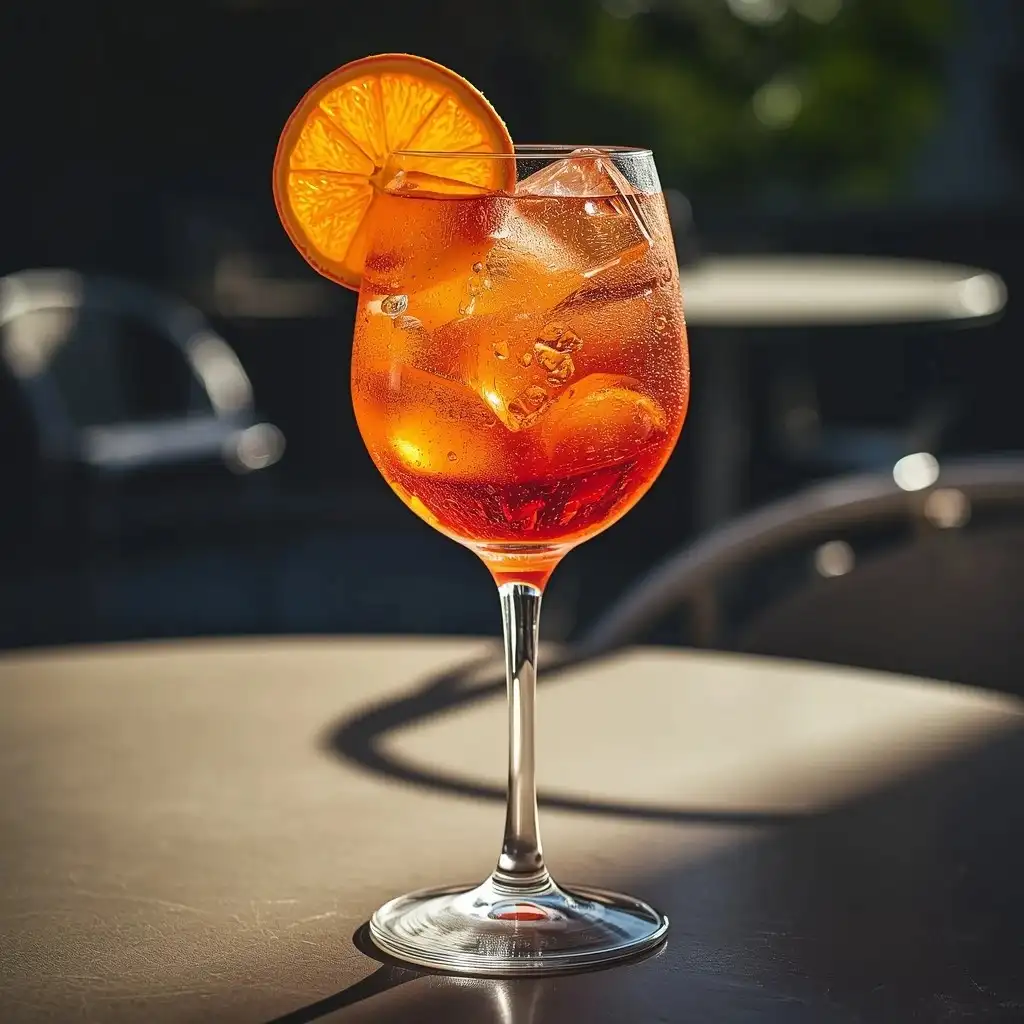
The Aperol Spritz is a vibrant, sparkling Italian cocktail balancing bittersweet citrus notes with refreshing effervescence. Made with Aperol, Prosecco, and a splash of club soda, its low alcohol content and irresistible orange glow make it the world's most popular pre-dinner aperitivo and a beloved summertime staple.
How to make an Aperol Spritz?
Fill a large wine glass to the brim with ice cubes. Pour in 3 ounces of Prosecco, followed by 2 ounces of Aperol, and 1 ounce of sparkling soda water. Stir gently from the bottom up to combine the ingredients, garnish with a fresh orange slice, and serve immediately.
The clinking of ice against a balloon glass, a bright sunset-orange hue, and a crisp, herbal finish, there is a reason the Aperol Spritz remains a master of the outdoor patio. While it famously claimed the title of the most popular cocktail in 22 U.S. states in recent years, its momentum hasn't slowed. Heading into 2026, it continues to dominate as the gold standard for the Italian aperitivo and a top-tier favorite for brunch and sunset sipping alike."
Beyond its visual appeal, this drink is a masterclass in flavor balance. It perfectly bridges the gap between a light sparkling wine and a complex herbal liqueur. Whether you are hosting a weekend brunch, craving a late-afternoon refresher, or looking for the ideal companion to salty appetizers, mastering this recipe elevates your home bartending skills instantly.
The History and Evolution of a Global Phenomenon
To understand the cocktail, you have to travel back to 1919 in Padua, Italy. Brothers Luigi and Silvio Barbieri inherited their father’s liquor company and spent seven years experimenting before they finally unveiled Aperol. They wanted to create a lower-alcohol aperitif that retained a complex, rich flavor profile. The result was an infusion of sweet and bitter oranges, rhubarb, gentian, and various herbs and roots.
The concept of the "spritz" predates the Barbieri brothers. During the 19th century, soldiers from the Austro-Hungarian Empire stationed in the Veneto region found local Italian wines too strong. They began adding a "spritz" (German for splash or spray) of water to dilute the wine.
By the 1950s, this historic practice merged with the rising popularity of Aperol. Bartenders in Venice and Padua began swapping still water for sparkling soda and adding Aperol to the region's famous Prosecco. This created the modern recipe we know today, solidifying its status as a cultural icon of the Italian aperitivo—the tradition of enjoying a light drink and snacks to stimulate the appetite before dinner.
What Does an Aperol Spritz Taste Like?
The flavor profile is highly layered yet incredibly approachable.
- Bittersweet: The primary note is a sophisticated bitterness from the gentian root, immediately smoothed out by candied orange sweetness.
- Citrusy: Zesty layers of sweet and bitter orange peel dominate the aroma and the palate.
- Botanical: Subtle hints of rhubarb and earthy herbs ground the cocktail, preventing it from becoming overly sugary.
- Crisp and Bubbly: The dry, fruity effervescence of the Prosecco lifts the heavy syrups of the liqueur, resulting in a clean, refreshing finish.
Cocktail Characteristics at a Glance
| Recipe Characteristic | Details |
| Preparation Time | 3 Minutes |
| Skill Level | Beginner |
| Servings | 1 Cocktail |
| Estimated Calories | ~130 - 140 kcal |
| Alcohol By Volume (ABV) | Approximately 11% |
| Best Glassware | Large Wine or Balloon Glass |
Essential Ingredients
Creating a flawless cocktail requires high-quality components. Because this drink relies on only three liquids, each one plays a critical role.
- Prosecco D.O.C.: Opt for a dry (Brut) Italian Prosecco. Interestingly, you should avoid overly complex or expensive D.O.C.G. varieties. A standard D.O.C. Prosecco tends to be lighter, crisper, and more easy-drinking. It will not compete with the bold botanical flavors of the Aperol.
- Aperol: The star of the show. This vibrant orange Italian bitter has an ABV of 11% and provides the drink's signature color and flavor.
- Sparkling Soda Water: Club soda or unflavored seltzer works perfectly. This adds necessary dilution and extra carbonation without altering the taste.
- Fresh Orange: A thick slice or wedge of fresh orange enhances the citrus aromas with every sip.
- Ice: Use large, clear, freshly frozen ice cubes. Quality ice prevents the drink from watering down too quickly.
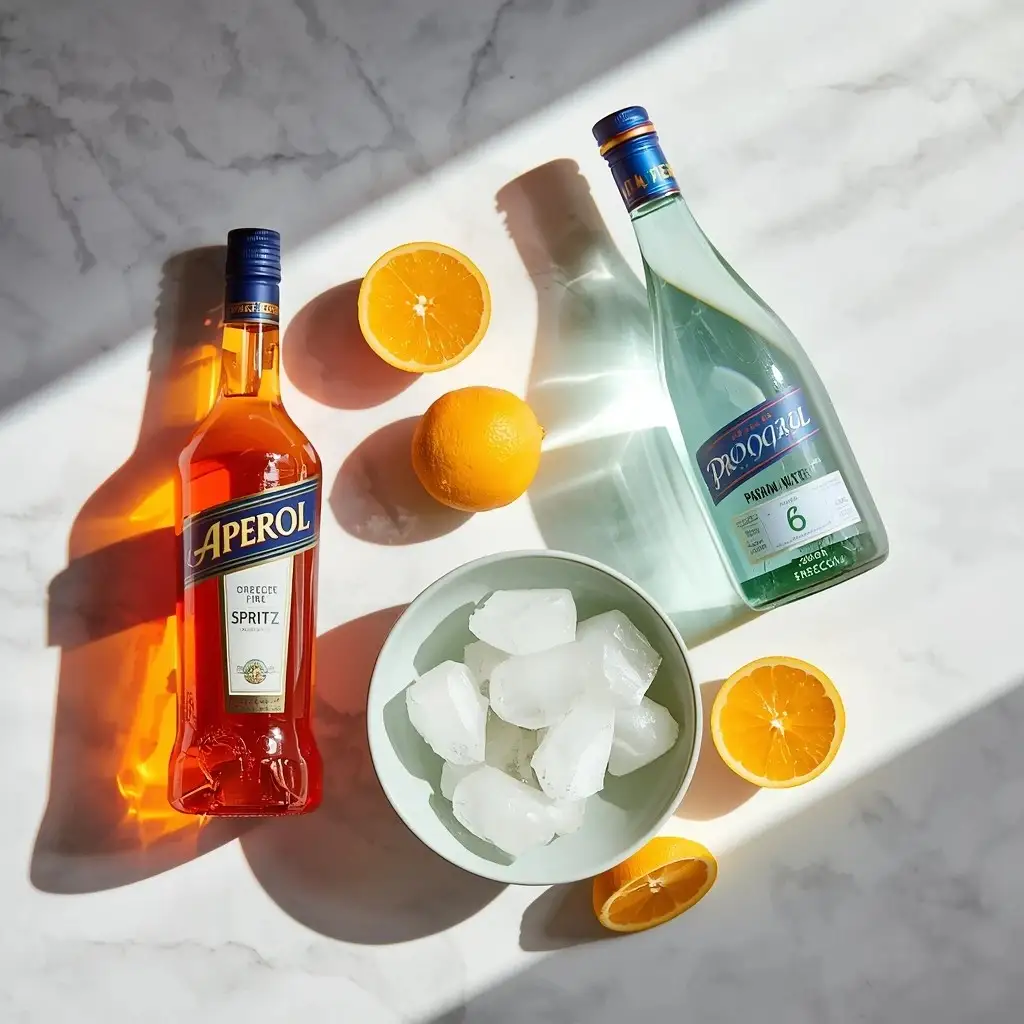
The Golden 3-2-1 Ratio
Memorize this formula, and you will never need a recipe card again. The official International Bartenders Association (IBA) approved method relies on the 3-2-1 ratio.
- 3 Parts Prosecco (3 oz or 90 ml)
- 2 Parts Aperol (2 oz or 60 ml)
- 1 Part Soda Water (1 oz or 30 ml)
Pro Tip: You can measure in ounces, milliliters, or simply by counting your pours. As long as you maintain the proportions, the balance of sweetness, bitterness, and bubbles remains intact.
Step-by-Step Preparation Guide
Follow these precise steps to achieve a bar-quality pour right in your own kitchen.
- Chill the Glassware: For the best experience, place your wine glass in the freezer for ten minutes before assembling the drink.
- Load the Ice: Fill the large wine glass generously with ice cubes. Do not skimp on the ice. A glass full of ice actually melts slower than a glass with only a few cubes, keeping your drink chilled without excessive dilution.
- Pour the Prosecco (3 oz): Pouring the sparkling wine first helps prevent the thick Aperol syrup from settling stubbornly at the bottom of the glass.
- Add the Aperol (2 oz): Slowly pour the Aperol over the ice and into the wine. You will see the beautiful orange color begin to swirl into the pale Prosecco.
- Top with Soda Water (1 oz): Add a splash of sparkling water to bring everything together and add a final punch of carbonation.
- Stir Gently: Using a bar spoon, gently pull the liquid from the bottom of the glass to the top exactly one time. Over-stirring will kill the carbonation.
- Garnish and Serve: Drop a fresh orange slice into the glass. Serve immediately while the bubbles are crisp.
Common Mistakes and Troubleshooting
Even with a simple recipe, minor technical errors can drastically change the final product. Avoid these common pitfalls:
The "Floaties" Mistake
Many beginners add just two or three sad ice cubes to their glass. These quickly melt into "floaties," resulting in a lukewarm, watered-down cocktail. Always pack the glass to the brim with ice.
Over-pouring the Club Soda
The biggest mistake people make when building a spritz is drowning it in club soda. Soda water should be an accent, not a base. Stick strictly to the 1-ounce measurement to prevent a washed-out, flavorless drink.
Using Sweet Sparkling Wine
Aperol already contains a significant amount of sugar. If you use a sweet sparkling wine (like Asti Spumante or a Demi-Sec Prosecco), the resulting cocktail will be cloying and syrupy. Always reach for a bottle labeled "Brut" or "Extra Brut."
Why Glass Selection Matters
Presentation heavily influences taste. The absolute best vessel is a large wine glass with a wide stem, or a large rounded balloon glass (often called a copa glass).
A wide bowl allows the aromatic botanicals and the oils from the orange garnish to release properly, hitting your nose right before you take a sip. Furthermore, a stemmed glass ensures that the heat from your hands does not warm up the bowl, keeping the cocktail icy cold for longer.
Exploring Variations and Alternatives
Once you master the classic version, you can tweak the formula to suit different palates or dietary needs.
- The Campari Spritz: For those who prefer a more robust, aggressively bitter cocktail, swap the Aperol for Campari. Campari has a higher ABV and a deep red color, offering a drier, more intense flavor.
- The Hugo Spritz: A floral, refreshing alternative. Replace the Aperol with elderflower liqueur (like St-Germain), add fresh mint leaves, and garnish with a lime wheel.
- The Select Spritz: This is the truly authentic Venetian choice. Select Aperitivo is slightly more bitter than Aperol but less intense than Campari, usually garnished with a large green olive.
- Vegan Adjustments: Aperol is completely vegan-friendly. However, some wines use animal byproducts during the fining process. To ensure a 100% vegan cocktail, simply check that your chosen Prosecco is certified vegan.
- Non-Alcoholic Options: Create a mocktail spritz by using an alcohol-free bitter orange syrup (such as Monin or Lyre's Italian Spritz) paired with a high-quality alcohol-free sparkling wine or dry tonic water.

Authentic Food Pairings: The Art of Cicchetti
In Venice, you rarely order a drink without a small bite to eat. These traditional snacks, known as cicchetti, are designed to complement the herbal bitterness of the liquor.
When hosting, aim for salty, fatty, or highly savory foods. The salt cuts through the bitterness, while the bubbly acidity acts as a palate cleanser.
Top pairing ideas:
- Marinated Olives and Nuts: Large green Castelvetrano olives and salted Marcona almonds are effortless and traditional.
- Crostini: Small toasts topped with whipped ricotta and prosciutto, or fig jam with goat cheese.
- Cured Meats and Cheeses: A charcuterie board featuring salami, spicy capicola, aged parmesan, and salty pecorino chunks.
- Potato Chips: Surprisingly, a bowl of high-quality, thick-cut sea salt potato chips is one of the most popular pairings in Italian piazzas.
Frequently Asked Questions
How many calories are in a standard Aperol Spritz?
A standard cocktail prepared using the traditional 3-2-1 ratio contains approximately 130 to 140 calories. The caloric density comes primarily from the residual sugars in the Aperol and the Prosecco.
Can I prepare an Aperol Spritz ahead of time for a party?
You should never mix the Prosecco and soda ahead of time, as the drink will lose its carbonation and fall flat. However, you can batch-prep the Aperol and fresh orange slices in a large pitcher. When guests arrive, simply pour the pre-measured Aperol over ice, top with freshly opened Prosecco and a splash of soda.
Does an open bottle of Aperol expire?
Because Aperol contains an ABV of 11% and high sugar content, it acts as its own preservative. An opened bottle does not strictly expire, but it will begin to lose its vibrant flavor and aroma after about 3 to 4 months. For best results, store an opened bottle in the refrigerator.
Which is better for a spritz: Prosecco D.O.C. or D.O.C.G.?
For mixed drinks, Prosecco D.O.C. is heavily preferred by bartenders. D.O.C. wines are highly regulated but tend to be lighter and less complex, allowing the liqueur to shine. D.O.C.G. represents the highest quality and complexity of Italian wines, which can actually clash with the bold botanical notes of the bitter.
What is the exact alcohol content of the cocktail?
Assuming you use standard Aperol (11% ABV) and a standard Prosecco (typically around 11% to 12% ABV), the final mixed drink sits right around an 11% ABV. The small splash of soda water provides just enough dilution to keep it a light, sessionable beverage.
Elevate Your Aperitivo Hour
Mastering the perfect balance of bubbles, bitterness, and citrus requires only a few quality ingredients and a commitment to the classic 3-2-1 ratio. By respecting the subtle techniques—like utilizing a heavy hand with the ice and opting for a crisp, dry Prosecco—you guarantee a refreshing result every single time. Gather your favorite salty snacks, select the right glassware, and bring the authentic taste of the Italian summer into your own home.
- 3 oz Prosecco (dry, Brut preferred)
- 2 oz Aperol
- 1 oz Sparkling soda water (club soda or seltzer)
- 1 slice Fresh orange (for garnish)
- 1 cup Ice cubes (or enough to fill the glass)
- 1 Chill the GlasswareFor the best experience, place your wine glass in the freezer for ten minutes before assembling the drink.
- 2
Load the IceFill the large wine glass generously with ice cubes. Do not skimp on the ice. A glass full of ice actually melts slower than a glass with only a few cubes, keeping your drink chilled without excessive dilution.- 3
Pour the Prosecco (3 oz)Pouring the sparkling wine first helps prevent the thick Aperol syrup from settling stubbornly at the bottom of the glass.- 4
Add the Aperol (2 oz) Slowly pour the Aperol over the ice and into the wine. You will see the beautiful orange color begin to swirl into the pale Prosecco.- 5
Top with Soda Water (1 oz)Add a splash of sparkling water to bring everything together and add a final punch of carbonation.- 6
Stir GentlyUsing a bar spoon, gently pull the liquid from the bottom of the glass to the top exactly one time. Over-stirring will kill the carbonation.- 7
Garnish and ServeDrop a fresh orange slice into the glass. Serve immediately while the bubbles are crisp. - 2